
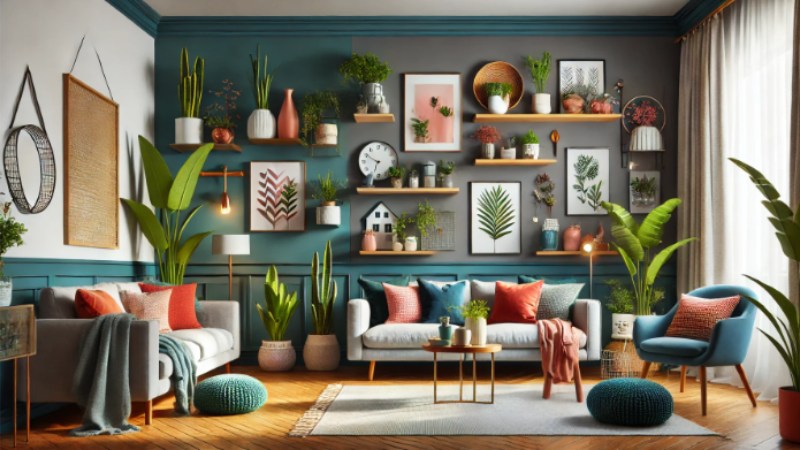
A home does not need a major renovation to feel better. Often, the most useful changes solve small daily frustrations: a dark worktop, a cluttered entrance, a loose shelf, or a room that never stays organised. The best home improvement ideas focus on comfort, convenience, and how each space is actually used.
Many DIY home projects can be completed over a weekend without specialist experience or a large budget. With a sensible plan, basic tools, and attention to safety, even beginner DIY improvements can make a noticeable difference. The goal is not to chase temporary design trends. It is to create functional living spaces that support everyday routines. The following projects offer practical, affordable home upgrades that can make your home easier to manage and more enjoyable to live in.
1. Improve Lighting in the Rooms You Use Most
Lighting affects how a room looks and how well it functions. Start by identifying places where you regularly struggle to see, such as kitchen counters, wardrobes, reading corners, stairways, or a home office desk.
Under-cabinet lights can brighten food preparation areas without requiring a full electrical renovation. A floor lamp can make a dark corner useful, while motion-sensor lights work well in hallways, cupboards, and storage areas.
Before buying new lighting, consider the brightness, colour temperature, and direction of the light. Warm lighting may suit bedrooms and living rooms, while brighter neutral lighting is often more practical in kitchens and work areas.
2. Create a More Useful Entryway
The entrance often becomes a drop zone for shoes, keys, bags, umbrellas, and unopened mail. A few simple home organization solutions can prevent this important area from becoming chaotic.
Install wall hooks at practical heights, add a narrow shoe rack, and place a small tray near the door for keys and wallets. If space allows, a compact bench with storage underneath can make it easier to put on shoes while keeping the floor clear.
This project is particularly helpful in busy households. When everyone knows where daily items belong, there is less rushing and searching before leaving home.
3. Add Shelving Where Storage Is Limited
Unused wall space can provide valuable storage without making a room feel crowded. Floating shelves work well in kitchens, bathrooms, bedrooms, utility rooms, and small home offices.
Before drilling, check the wall type and choose suitable fixings. Measure carefully, use a spirit level, and avoid placing heavy objects on shelves that are not properly supported. Practical home improvement solutions are easier to complete when appropriate measuring, drilling, and installation tools are available.
Among beginner DIY improvements, shelving is especially rewarding because the result is visible immediately. It can also transform an awkward wall or unused corner into practical storage.
4. Refresh Walls Without Repainting Everything
Fresh paint can transform a room, but repainting every wall is not always necessary. One accent wall, refreshed trim, or a few repaired scuff marks may be enough to make the entire space feel cleaner.
Choose an area that naturally attracts attention, such as the wall behind a bed, sofa, desk, or dining table. Test the colour in both daylight and artificial light before making a final decision.
If a bold shade feels risky, choose a warm neutral or a slightly deeper version of the room’s existing colour. These smaller DIY home projects can provide a strong visual improvement without consuming too much time or money.
5. Upgrade Cabinet Handles and Door Hardware
Worn or outdated handles can make otherwise good cabinets look tired. Replacing them is one of the quickest affordable home upgrades for kitchens, bathrooms, wardrobes, and storage units.
Measure the distance between the existing screw holes before buying new handles. Selecting replacements with the same hole spacing prevents additional drilling and keeps the project straightforward.
The same approach can be used for internal door handles, coat hooks, hinges, and drawer pulls. Hardware changes are also easy to complete in stages, allowing you to update one room at a time instead of buying everything at once.
6. Build a Simple Home Organisation Station
Paperwork, charging cables, shopping lists, school notices, and appointment reminders often spread across kitchen counters. A small wall-mounted organisation station can bring these everyday items together.
Use a noticeboard, labelled file pockets, a family calendar, and a small shelf for charging devices. Position the station somewhere people already pass each day rather than hiding it in an unused room.
The most effective home organization solutions work with existing habits. For example, if letters and bills are usually left near the fridge, place the organisation station there. Good organisation is not about adding more rules. It is about making the easiest action the most organised one.
7. Seal Gaps Around Windows and Doors
Small gaps can allow draughts, dust, moisture, insects, and outside noise into the home. Weatherstripping and sealant can improve comfort and reduce unnecessary heating or cooling loss.
Check around window frames, exterior doors, skirting boards, and places where cables or pipes enter a wall. Clean the surface before applying any product and choose a sealant designed for that specific material.
Take care not to cover ventilation openings that are intended to maintain airflow. This is one of those home improvement ideas that may not produce a dramatic visual change, but the improvement in comfort can be noticeable.
8. Make the Kitchen Worktop Easier to Use
A cluttered worktop makes cooking harder than it needs to be. Begin by removing appliances that are rarely used and grouping everyday items according to purpose.
A wall rail can hold utensils, while a compact shelf can lift spices, oils, or jars away from the main preparation area. Drawer dividers can also prevent cooking tools from becoming tangled.
Using suitable home improvement tools can make measuring and fixing shelves, rails, and organisers safer and more accurate.
The aim is to create functional living spaces rather than empty showrooms. Keep frequently used items accessible and move occasional appliances into higher cupboards or less prominent storage areas.
9. Improve Bathroom Storage
Bathrooms often contain many small products but offer limited surfaces. Vertical storage can solve the problem without occupying valuable floor space.
Consider an over-toilet shelf, wall-mounted baskets, adhesive hooks, or a slim storage cabinet. Keep daily products within easy reach and place spare toiletries or cleaning supplies on higher shelves.
Moisture is an important consideration, so choose materials that can tolerate humidity. Avoid installing untreated wood directly beside a shower, bath, or basin.
Bathroom storage is one of the most useful beginner DIY improvements because it can reduce visual clutter and make a compact room easier to clean.
10. Create a Flexible Multi-Use Corner
Not every home has enough room for a separate office, reading room, craft area, or study. However, a well-planned corner can serve several purposes.
A compact desk with drawers can operate as a weekday office and a weekend hobby table. A wall-mounted folding desk may be more suitable for a small bedroom or narrow living area.
Add a task light, a comfortable chair, and nearby storage so the area can be used without a lengthy setup. Flexible zones are valuable in functional living spaces because they allow one room to support different household needs.
Keep the design simple. A multi-use area is more likely to remain useful when it can change purpose quickly and return to order just as easily.
How to Choose the Right DIY Home Projects
Starting several projects at the same time often leads to unfinished work, unnecessary spending, and rooms that remain disrupted for weeks. Begin with the problem that affects your routine most.
Ask yourself three questions:
- Does this project solve a regular inconvenience?
- Can I complete it safely with my current skills?
- Do I have the necessary time, tools, and materials?
Choose one project, set a realistic budget, and finish it before starting another. This approach makes improvement work feel manageable and reduces the risk of wasted materials.
For any job involving electrical wiring, gas lines, structural changes, or major plumbing, hiring a qualified professional is safer than attempting the work without proper training.
Frequently Asked Questions
What are the easiest home improvement projects for beginners?
Simple shelving, replacing cabinet handles, installing hooks, organising drawers, applying sealant, and touching up paint are good starting points. These beginner DIY improvements normally require basic tools and can often be completed within a few hours. Always check the wall type, fixings, measurements, and manufacturer’s instructions before beginning.
How can I improve my home on a small budget?
Focus on affordable home upgrades that solve specific problems. Better lighting, weatherstripping, storage baskets, drawer dividers, and updated hardware can improve daily use without requiring major construction. Moving or repurposing furniture you already own may also make a room work better at little or no cost.
Which project provides the most practical value?
The answer depends on the needs of the household. For many people, better lighting and storage provide the greatest everyday benefit. Home organization solutions reduce clutter, while improved lighting makes cooking, working, reading, and relaxing more comfortable.
How can I make a DIY project look professionally finished?
Measure carefully, prepare surfaces properly, and avoid rushing the final details. Straight lines, secure fixings, filled holes, smooth paint edges, and matching hardware often matter more than expensive materials. Planning the finishing work before starting can make simple DIY home projects look much more polished.
Conclusion
The most successful home improvement ideas are not always the biggest or most expensive. They are the changes that remove friction from everyday life. Better lighting, useful storage, sealed gaps, updated hardware, and flexible work areas can make a home feel calmer and easier to use.
Start with one room and choose a project that addresses a genuine need. Keep the plan simple, use suitable tools, and complete each task carefully. Over time, these affordable home upgrades can create more functional living spaces without the disruption and expense of a full renovation. Small, well-planned changes often have the greatest impact because they support the routines you follow every day.