
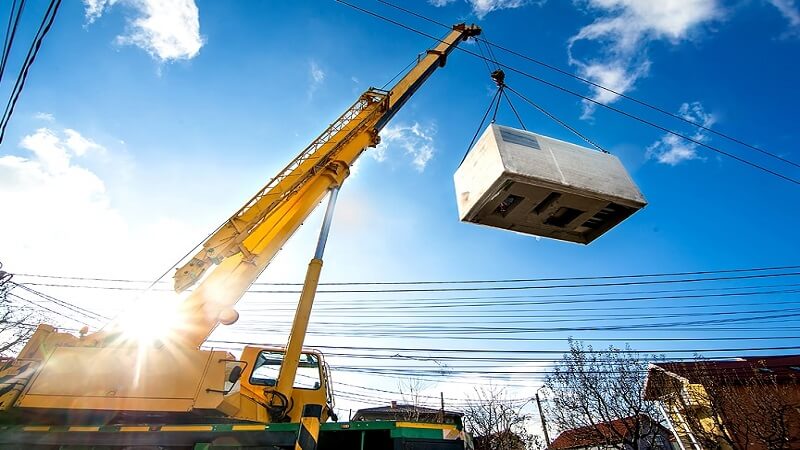
Across construction sites, manufacturing plants, shipyards, and infrastructure projects, there are moments when materials simply cannot be moved by hand or with basic equipment. Massive steel beams, industrial machinery, prefabricated concrete sections, and heavy structural components must often be lifted, positioned, and installed with extreme precision. This is where professional rigging plays a crucial role.
Rigging is the specialized process of preparing and securing loads so they can be safely lifted and moved using cranes, hoists, or other lifting systems. While it may look simple from the outside, professional rigging requires careful planning, the right equipment, and experienced crews who understand how weight, balance, and load dynamics interact. Without proper rigging, even the most powerful lifting equipment would struggle to move large materials safely.
The Complexity Behind Heavy Lifting
Moving extremely heavy objects is rarely as simple as attaching a hook and lifting. Many loads are awkwardly shaped, unevenly balanced, or fragile in certain areas. A large piece of machinery, for example, may weigh several tons but have sensitive components that cannot bear pressure.
Professional rigging teams evaluate several factors before starting any lift. These include the total weight of the load, the center of gravity, lifting points, and environmental conditions such as wind or limited space. Careful planning ensures that when the crane or hoist begins lifting, the load stays stable and controlled.
Even a small imbalance can cause dangerous swing forces or stress on lifting parts. That’s why rigging professionals depend on carefully chosen equipment made to spread weight evenly and keep control during the lift.
Essential Rigging Equipment That Makes Heavy Lifting Possible
A wide variety of specialized tools are used in professional rigging operations. Each tool serves a specific purpose in ensuring the load is supported, balanced, and secured correctly.
One of the most commonly used components is wire rope slings. These slings are made from multiple strands of steel wire twisted together to create an extremely strong and flexible lifting connection. Wire rope slings are perfect for heavy loads and can withstand harsh environments like construction sites and industrial facilities.
Another essential component is the shackle, which acts as a secure connection point between lifting slings and the crane hook or lifting device. Shackles are usually made from high-strength steel and come in different designs, such as anchor shackles and chain shackles. These small but vital pieces of hardware enable riggers to build safe and dependable lifting assemblies.
Master links are a crucial component of rigging systems. These large steel rings are positioned at the top of multi-leg sling assemblies and connect the entire rigging setup to the crane hook. By centralizing the lifting force, master links help distribute weight evenly across multiple sling legs, enhancing load stability.
In many cases, riggers also depend on lifting chains. Chain slings are very strong and can endure extreme temperatures and rough handling. They are frequently used in heavy industrial settings where loads might have sharp edges or abrasive surfaces that could damage other types of slings.
Controlling Load Balance and Stability
Balancing a heavy load during a lift is one of the most important responsibilities of a rigging crew. If the load shifts unexpectedly, it can cause dangerous conditions for workers and equipment.
To maintain stability, riggers often use spreader bars or lifting beams. These devices distribute the load’s weight across multiple lifting points while keeping the lifting slings at the correct angle. By doing so, the rigging system reduces stress on individual components and prevents the load from compressing or bending them.
Spreader bars are especially helpful for lifting long or fragile objects such as steel pipes, structural beams, or large panels. Instead of pulling the lifting points inward, the spreader bar keeps them apart, maintaining the load’s structural integrity.
Turnbuckles can also be used to adjust tension in the rigging system. These threaded devices let riggers fine-tune the length of a connection, ensuring that each sling leg supports its part of the load evenly.
Safety Is Always the Top Priority
Heavy lifting poses serious risks if not done properly. That’s why professional rigging operations adhere to strict safety standards and industry guidelines.
Every piece of rigging hardware must be rated for the intended load. This rating, often called the working load limit, shows the maximum weight the equipment can safely support under normal conditions. Riggers need to carefully calculate the total forces on each part, including the angles of the slings and any dynamic forces that occur during lifting.
Before starting any lift, the equipment is inspected for wear, damage, or deformation. Shackles must be checked for cracks or bent pins, slings must be inspected for broken wires or excessive wear, and lifting chains must be evaluated for stretched links.
Communication is a vital part of safe rigging operations. Crane operators and rigging crews need to work together closely to make sure each lift is performed smoothly and safely.
The Expertise Behind Every Successful Lift
While the equipment used in rigging is extremely strong, the true strength behind successful lifting operations is the knowledge and experience of the professionals performing the work. Skilled riggers understand how different materials behave under load and how to build lifting systems that remain stable from start to finish.
Every project presents unique challenges. A lift inside a crowded manufacturing plant may require precise maneuvering and careful positioning, while a construction site lift may face heavy winds or uneven terrain. Professional riggers adapt their techniques and equipment choices to meet the specific demands of each situation.
From large bridge parts to delicate industrial tools, professional rigging is essential for moving the materials that construct and power our modern world.
Without these specialized skills and tools, many of the largest construction and infrastructure projects simply wouldn’t be possible. Professional rigging turns complex lifting challenges into controlled, safe, and successful operations that keep industries moving forward.