
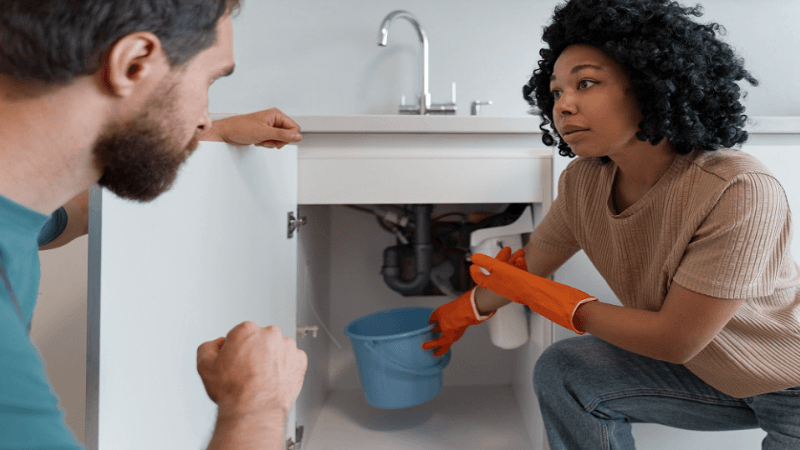
Most plumbing emergencies start quietly.
A pipe leaks under a sink for weeks. Water pressure changes slightly. One drain slows down, then another follows. People usually ignore those signs until water ends up on the floor or sewage backs into the house.
That pattern shows up constantly across Southern California properties. Older plumbing systems in Los Angeles, Orange County, Riverside County, and San Bernardino County deal with hard water, shifting soil, and years of wear. Small maintenance issues turn expensive fast when nobody catches them early.
Homeowners often focus on visible damage. The real trouble usually sits behind walls, under slabs, or inside drain lines long before that.
Check Water Pressure Before It Damages Pipes
Strong water pressure feels nice in the shower. It also shortens the life of plumbing fixtures.
Many residential systems run above safe pressure levels without owners realizing it. Pipes, valves, and appliance hoses absorb that stress every day. Eventually, something gives out.
Technicians at Hsrooterplumbing.com regularly find damaged supply lines tied to excessive pressure inside older California homes.
A simple pressure gauge costs very little. Testing takes only a few minutes.
Signs Your Water Pressure Runs Too High
- Faucets spray aggressively
- Washing machine hoses wear out early
- Pipes knock inside walls
- Toilets refill loudly
- Small leaks keep returning
The U.S. Environmental Protection Agency explains efficient household water management through its WaterSense resources.
Kitchen Drains Need More Attention Than Most People Give Them
Grease causes more drain trouble than homeowners expect.
Hot oil looks harmless when it goes down the sink. It cools farther inside the line and sticks to pipe walls. Food scraps catch on that buildup. Months later, the kitchen sink stops draining.
Garbage disposals make the situation worse when people treat them like trash cans.
Habits That Help Prevent Drain Blockages
- Throw grease into sealed containers
- Use sink strainers daily
- Flush drains with hot water weekly
- Keep coffee grounds out of disposals
- Avoid chemical drain cleaners
Chemical products often damage older plumbing systems. Repeated use weakens aging pipe connections and corrodes metal lines.
Restaurants and rental properties usually require more frequent drain inspections because of heavier daily use.
Small Toilet Leaks Waste More Water Than People Think
A running toilet may not seem urgent. Water bills tell a different story.
Many toilets leak silently for months. Worn flappers and failing fill valves usually cause the problem. Some units waste hundreds of gallons every week without obvious signs.
A quick dye test helps find out hidden leaks. Add food coloring inside the tank and wait several minutes. Color appearing in the bowl means water escapes continuously.
The International Association of Certified Home Inspectors offers useful inspection guidance for residential plumbing systems.
Sediment Inside Water Heaters Creates Expensive Problems
Hard water leaves mineral deposits behind. Southern California homeowners deal with that issue constantly.
Sediment settles inside the bottom of water heater tanks over time. Heating elements work harder as buildup increases. Efficiency drops. Utility costs rise.
Many homeowners first notice strange popping or rumbling noises from the tank. That sound usually means sediment already sits heavily inside the system.
Water Heater Maintenance That Actually Helps
- Flush the tank annually
- Inspect around the base for rust
- Test pressure relief valves
- Lower excessively high temperatures
- Schedule inspections before winter
Tankless systems also require descaling. Mineral accumulation restricts water flow and affects heating consistency.
Sewer Line Problems Usually Start Outside
Tree roots create serious sewer line damage throughout older neighborhoods.
Roots naturally move toward moisture. Tiny pipe cracks attract them quickly. Once roots enter the line, blockages grow steadily.
Most homeowners notice sewer trouble after repeated drain backups. At that point, root intrusion often covers large pipe sections.
Common Sewer Warning Signs
- Gurgling toilets
- Sewage smells outdoors
- Slow drains throughout the house
- Wet areas in the yard
- Multiple fixtures backing up together
Camera inspections help plumbers locate damage accurately without unnecessary digging.
Outdoor Plumbing Gets Ignored Too Often
Exterior plumbing works year-round in Southern California climates. Many property owners rarely inspect it.
Small irrigation leaks waste significant amounts of water over time. Underground leaks also damage landscaping and foundations quietly.
Summer heat increases stress on outdoor valves and exposed lines.
Outdoor Areas Worth Checking Regularly
- Hose bibs
- Sprinkler valves
- Exterior drain covers
- Irrigation controllers
- Exposed water lines
Commercial properties usually benefit from seasonal plumbing inspections before peak summer water demand begins.
Gas Line Problems Need Immediate Attention
Gas leaks create dangerous situations fast.
People sometimes dismiss faint gas odors because appliances still seem functional. That mistake becomes serious fast.
Leave the property immediately if you notice gas smells near appliances, outdoor lines, or meter connections.
Signs Something May Be Wrong With a Gas Line
- Rotten egg odors
- Hissing sounds
- Dying vegetation near buried pipes
- Headaches indoors
- Pilot lights failing repeatedly
Licensed professionals should handle every gas line inspection or repair. Temporary fixes create unnecessary risk.
Preventive Inspections Save Money Over Time
Emergency plumbing work costs far more than preventive maintenance.
Routine inspections catch small issues before they damage walls, flooring, cabinets, or foundations. That matters even more in older homes and commercial buildings with aging infrastructure.
Property owners who schedule periodic inspections usually avoid the worst repair situations.
Preventive Maintenance Helps Reduce
- Emergency repair costs
- Water waste
- Structural damage
- Appliance strain
- Unexpected plumbing shutdowns
The savings rarely show up immediately. They show up later when a major failure never happens.
Conclusion
Plumbing systems give warnings long before major failures occur. Slow drains, pressure changes, hidden leaks, and unusual noises rarely disappear on their own.
Consistent maintenance helps homeowners avoid expensive emergency repairs and unnecessary property damage. That matters even more across Southern California, where aging infrastructure and hard water create additional stress on plumbing systems.
When recurring issues start appearing, professional inspection usually costs far less than waiting for a larger failure. Early repairs protect both the property and the long-term plumbing system behind it.