
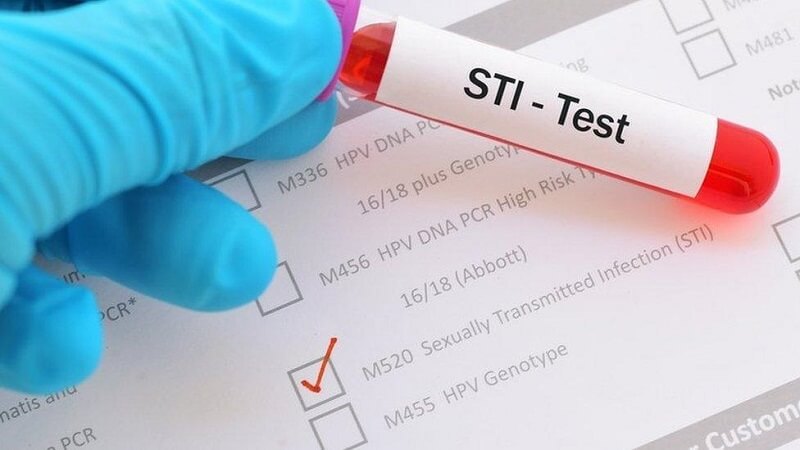
Understanding your sexual health status is not something that happens automatically. It requires intentional testing, at appropriate intervals, for the infections that are actually relevant to your situation. For many sexually active adults, the gap between what they assume they know and what they have actually confirmed through testing is significant, and the consequences of that gap are often silent.
The shift toward multi-panel at-home testing is one of the most practically meaningful developments in sexual healthcare access. Understanding what multi-panel testing is, how it compares to standard single-infection tests, and what each panel in a comprehensive screen detects helps clarify why broader testing produces a fundamentally more useful picture than narrower testing.
Why Single-Test Screening Leaves Gaps
The typical experience of STI testing for most adults involves a provider testing for one or two infections based on symptoms or patient request. Chlamydia and gonorrhea are the most commonly requested, since they are bacterial, treatable, and widely prevalent. HIV testing is recommended broadly.
But this pattern leaves significant gaps. Trichomoniasis is the most common non-viral STI in the US, yet it is frequently excluded from standard panels unless specifically requested. Syphilis has been rising in incidence across multiple demographics and is often not included in routine screening. Hepatitis B and hepatitis C have long incubation periods during which the infected person may have no symptoms but can transmit the virus. Herpes, in its HSV-1 and HSV-2 forms, is among the most prevalent STIs globally, present in a large proportion of the adult population, yet it is routinely excluded from standard clinical STI panels.
The result of this pattern is that many people who have been tested believe they know their status, when in fact they know their status for two or three of the most commonly tested infections and have no information about several others.
What a 7-Panel Screen Covers
A 7-panel STI test tests for seven sexually transmitted infections in a single at-home kit: chlamydia, gonorrhea, trichomoniasis, syphilis, hepatitis B, hepatitis C, and HIV via the OraQuick rapid test. Each of these infections affects the body differently, has different transmission patterns, and requires different treatment approaches. Getting results for all seven from a single test changes the scope of what you know about your own health.
Chlamydia (Chlamydia trachomatis) is one of the most common bacterial STIs, and the majority of infections are asymptomatic. Left untreated, it can lead to pelvic inflammatory disease in women and epididymitis in men, both of which can cause fertility complications.
Gonorrhea (Neisseria gonorrhoeae) is another highly prevalent bacterial STI that is frequently asymptomatic. It is notable for its increasing antibiotic resistance, which makes diagnosis and appropriate treatment more important than ever.
Trichomoniasis (Trichomonas vaginalis) is caused by a parasite and is the most common curable STI. Symptoms, when they occur, include discharge and irritation, but the majority of cases are asymptomatic. It is readily treated with antibiotics once diagnosed.
Syphilis (Treponema pallidum) is a bacterial infection that progresses through stages. Primary and secondary syphilis are highly contagious but often produce mild symptoms that go unnoticed. Untreated syphilis can progress to tertiary stages that affect the heart and neurological system.
Hepatitis B and Hepatitis C are both viral infections affecting the liver. Hepatitis B is spread through sexual contact, blood exposure, and from mother to child during birth. Hepatitis C is primarily spread through blood exposure but can be transmitted sexually. Both can cause chronic liver disease and liver cancer if undetected and untreated. Most acute infections produce no or minimal symptoms.
HIV (Human Immunodeficiency Virus) affects the immune system and, without treatment, progresses to AIDS. Modern antiretroviral therapy allows people with HIV to live long, healthy lives with an undetectable viral load. The OraQuick rapid test included in the panel provides a preliminary HIV result from an oral swab within approximately 20 minutes. Note that a preliminary positive requires confirmation testing.
How At-Home Testing Works
The at-home testing process with Wisp involves receiving a discreetly packaged kit that contains collection materials for urine, blood, and oral samples. Step-by-step instructions guide you through each collection. You then ship the samples using the prepaid shipping label included in the kit to a CLIA/CAP accredited partner laboratory.
Results are available online within three to five business days of the laboratory receiving your samples. You access results through your secure patient portal. If any result is positive and treatment is appropriate, a licensed provider can send a prescription to a local pharmacy. The test and consultation are included in the cost of the kit.
Testing Frequency and Why It Matters
A single test tells you your status at one point in time. Sexual health status is not static, which means regular testing at intervals appropriate to your situation is what actually maintains current knowledge. Public health guidance varies by infection and risk level, but annual testing for key infections is a common baseline recommendation for sexually active adults. Higher-risk situations may warrant more frequent testing.
The practical barrier to testing at the appropriate frequency has historically been the logistical overhead of clinic visits: scheduling, travel, waiting, and the discomfort many people feel in that environment. At-home testing removes most of that overhead. When testing is something you can do privately from home and results arrive within a week, the frequency that is actually appropriate becomes much more achievable.
Frequently Asked Questions
Do I need a prescription to order the 7-panel STI test?
No. You order the kit directly, and the consultation with a licensed provider is included with the test.
Is the test available in all states?
Yes, Wisp’s at-home STI testing is available in all 50 US states.
What if I test positive for one of the seven infections?
A provider will review your results and contact you about appropriate next steps. Treatment is available through Wisp for several of the bacterial and parasitic infections covered. For viral infections like hepatitis or HIV, appropriate follow-up guidance and referrals are provided.
How is the HIV test component different from the others?
The HIV component uses the OraQuick rapid test, which provides a preliminary result from an oral swab within approximately 20 minutes. A preliminary positive requires confirmatory testing before a diagnosis can be established. The remaining six panels use laboratory-based testing with results available in three to five business days.
Can I test at home if I have no symptoms?
Yes, and this is actually one of the strongest reasons for at-home testing. The majority of common STIs produce no symptoms in most infected individuals. Testing based on symptoms alone misses the majority of infections.