
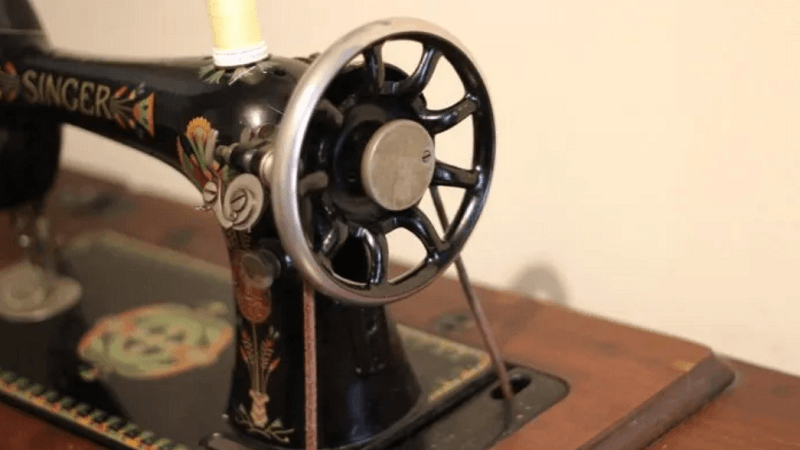
Big furniture gets the spotlight in most home decorating conversations, the statement sofa, the oversized dining table, the bold accent chair. But some of the most memorable pieces in a well-designed home are smaller, functional objects with real history behind them. A restored vintage sewing machine, especially a cast-iron treadle model in its original cabinet, is exactly that kind of piece.
Character That Mass-Produced Furniture Can’t Replicate
Vintage sewing machines from the early-to-mid 20th century were built with a level of detail that’s largely disappeared from modern manufacturing, ornate scrollwork, solid cast-iron construction, and wooden cabinetry designed to last generations rather than a few years of trend cycles. Placed as an entryway console or a side table, a well-restored machine brings a texture and history to a room that a new decor purchase simply can’t replicate.
More Than a Decoration
Unlike a purely decorative object, a properly restored vintage machine can still function, which adds a layer of usefulness beyond its visual appeal. For anyone who sews occasionally, a working vintage machine offers surprisingly capable performance on heavier fabrics compared to a budget modern machine, since these older models were built with sturdier motors and mechanisms designed for durability over decades of use.
Where Restoration Projects Usually Stall
The most common mistake in restoring one of these machines is treating it as a purely cosmetic project, a cleaning and a coat of paint. Getting a machine to actually run again requires attention to worn mechanical parts: belts that have perished with age, bobbin cases that no longer seat correctly, and tension assemblies that have drifted out of calibration. This is usually where restoration projects get stuck, since generic replacement parts sold as universal fits often don’t match older mechanisms properly.
Sourcing Parts That Actually Fit
A vintage sewing machine restoration goes much more smoothly with parts sourced specifically for the model in question, rather than a generic substitute. Suppliers specializing in genuine vintage parts, covering brands like Singer as well as Kenmore, Brother, Bernina, Elna, Pfaff, and Viking, carry components pulled from real vintage machines, which means a part built for a specific decades-old model actually fits and functions correctly.
Styling the Finished Piece
Once a machine is restored, styling options are fairly flexible. A treadle base with its original cabinet works well as an entryway console or side table, with the machine head either left in place as a decorative feature or removed and displayed separately. For homeowners who actually plan to use it, keeping the machine in working condition means it earns its place in the room as both a functional tool and a genuine conversation piece.
Why This Trend Has Staying Power
Unlike many decor trends that fade within a season, restored vintage furniture pieces tend to hold their appeal because they’re inherently one-of-a-kind. No two restoration projects turn out quite the same, and that individuality is precisely what makes them stand out in a home filled with mass-produced pieces.
Frequently Asked Questions
Is restoring a vintage sewing machine difficult for a beginner?
The cosmetic work is manageable for most people, but getting the machine functional again typically requires sourcing the correct mechanical parts, which is the trickiest part of the process.
Can a restored vintage machine still be used for regular sewing?
Yes, many fully restored vintage machines handle regular sewing tasks well, and some perform better than budget modern machines on heavier fabrics.
What’s the most common reason a restoration project stalls?
Difficulty finding replacement parts that actually fit the specific vintage model, since generic universal parts often don’t seat correctly on older mechanisms.
Do all vintage sewing machine brands use interchangeable parts?
No, parts are generally brand- and model-specific, which is why sourcing from a specialist supplier matters for a proper fit.