
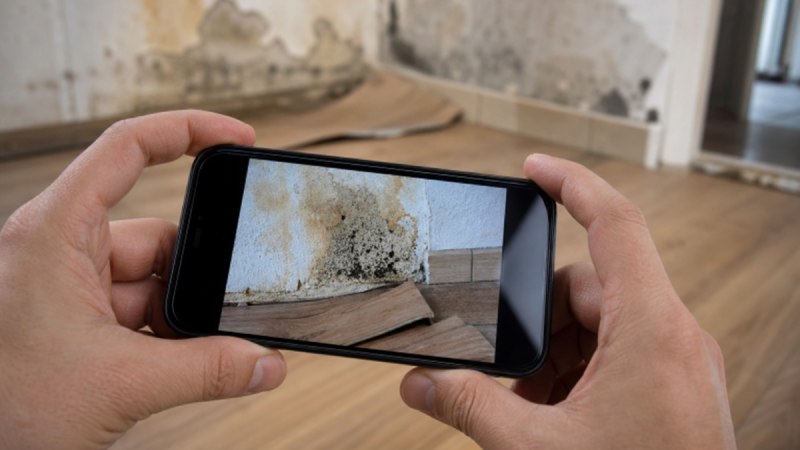
Water damage can turn from a small inconvenience into a major repair issue in a single day. Whether the cause is a burst pipe, leaking appliance, roof leak, or backed-up drain, a fast and organized response can protect your home and belongings. Homeowners who need prompt assistance can review https://frontierrestorationkc.com/services/water-restoration/ while taking immediate safety steps.
The goal during the first 24 hours is not to make the room look normal. It is to protect people, stop additional water from entering, preserve evidence for insurance, and remove moisture before it soaks deeper into the structure.
Why The First Day Matters
Water rarely stays where it first appears. It can wick upward through drywall, travel beneath baseboards, soak carpet padding, spread under flooring, and collect inside cabinets or wall cavities. A dry-looking surface may still hide a wet subfloor or insulation.
- First hour:Water spreads, creates slip risks, and may reach electrical outlets or appliances.
- First several hours:Porous materials, including drywall, fabric, wood, and padding, begin absorbing moisture.
- By 24 to 48 hours:Remaining dampness can support mold growth and cause materials to swell, warp, or break down.
Step One: Make The Area Safe
Keep children and pets away from the affected space. Do not enter standing water if an outlet, appliance, extension cord, electrical panel, or wiring may be involved. If you can safely reach the breaker panel from a dry location, turn off power to the affected area. Otherwise, call an electrician.
Stay clear of sagging ceilings, buckled floors, cracked walls, and heavy furniture that may shift. Leave the property and contact emergency services or a qualified professional if you smell gas, see serious structural damage, or believe the ceiling could collapse. Never use ordinary household vacuums or electric tools around unsafe water.
Step Two: Stop The Water Source
- For a burst pipe or active plumbing leak, shut off the main water supply if it is safe to do so.
- For a leaking dishwasher, washing machine, or toilet, close the local supply valve if accessible.
- For a small ceiling drip, place a container beneath it and move belongings away from the area.
- Do not puncture a bulging ceiling. The trapped water and weakened material can create a serious injury risk.
- For stormwater, sewage, or water of unknown quality, avoid contact and arrange for qualified help.
Step Three: Document The Damage
Before moving items or throwing anything away, take wide photos of each room, close-up images of damaged materials, and short videos showing standing water and stains. Write down when the problem was discovered, what you believe caused it, and which rooms were affected.
Photograph furniture, electronics, flooring, walls, appliances, and personal items. Keep receipts for emergency supplies, temporary repairs, storage, and lodging. If possible, retain damaged items until your insurer or claims representative tells you they are no longer needed.
Step Four: Protect Belongings Without Creating More Damage
Move small, dry, and lightweight belongings to a safe area. Place foil, blocks, or furniture sliders beneath furniture legs to limit additional damage. Remove wet rugs when they can be lifted safely, and separate damp papers, clothing, and other items so air can circulate around them.
Avoid dragging heavy furniture across wet carpet, vinyl, hardwood, or laminate. Soaked electronics should remain unplugged and should not be tested until they have been inspected or cleared for use.
Step Five: Remove Surface Water Carefully
Towels and mops may be enough for a minor clean-water spill on a hard surface. Larger losses can require water extraction equipment because moisture often remains beneath flooring and inside porous materials. Do not use a regular vacuum on standing water.
Do not handle sewage, outdoor floodwater, or water from an unknown source without proper protective equipment. Avoid running fans that could blow air from a contaminated room into clean living spaces.
Step Six: Dry More Than What You Can See
Effective drying involves more than opening a window or placing one fan in the room. Professionals may use moisture meters to compare wet materials with dry areas, air movers to improve evaporation, dehumidifiers to remove water vapor, thermal imaging to locate hidden moisture, and daily readings to confirm progress.
Drying is complete when materials return to an acceptable moisture range, not merely when surfaces feel dry to the touch. Hidden moisture behind baseboards, beneath cabinets, under carpet, and inside walls can cause later staining, odors, and mold.
When To Call A Professional
- Water has reached outlets, appliances, wiring, or an electrical panel.
- Several rooms, multiple floors, or a large area are affected.
- A ceiling is sagging, the flooring is buckling, or the walls feel soft.
- The source involves sewage, outdoor flooding, or contaminated water.
- Drywall, insulation, hardwood, or subfloors are saturated.
- A musty odor develops after the visible water is gone.
- Someone in the home has asthma, severe allergies, chronic lung disease, or a weakened immune system.
Mold Prevention And Health Concerns
Moisture control is the main defense against mold. The EPA advises drying water-damaged areas and items within 24 to 48 hours when possible, fixing the water source, and seeking professional assistance for sewage or other contaminated water. Painting over stains or using scented cleaners does not solve trapped moisture.
Damp buildings can affect air quality and may expose occupants to mold, contaminants, or unstable materials. People with respiratory conditions should avoid mold cleanup when possible. The CDC recommends using protective gear when returning to a damaged home, especially when floodwater, debris, or mold may be present.
Insurance Questions To Ask
- Does the policy cover sudden and accidental water damage?
- Is outside flooding, sewer backup, or gradual leakage treated differently?
- Which emergency repairs can be completed before an adjuster visits?
- Should damaged materials and belongings be saved for inspection?
- Are temporary lodging, storage, and mitigation costs covered?
- Which photos, receipts, and records are needed for the claim?
Common Mistakes To Avoid
- Waiting because the water appears limited to one room.
- Assuming dry flooring means the materials underneath are dry.
- Turning on HVAC equipment that may have been exposed to contaminated water.
- Discarding damaged items before documenting them.
- Using bleach on materials that require removal or professional cleaning.
- Entering a room with a sagging ceiling.
Frequently Asked Questions
How Quickly Should Water Cleanup Begin?
Begin as soon as the area is safe. Prompt action can reduce water absorption, limit material damage, and lower the risk of mold.
Can a Wet Carpet Always Be Saved?
No. The water source, carpet type, length of exposure, condition of the padding, and drying conditions all matter. Wet padding often holds moisture and may need removal.
Should Homeowners Turn On Fans?
Fans can help with a small, clean spill in a safe space. They may spread contaminants or move moisture into other areas if used incorrectly after sewage, flooding, or extensive damage.
How Is Hidden Moisture Found?
Moisture meters, thermal imaging, and targeted inspection can help identify wet areas behind walls, beneath flooring, and inside structural materials.
Conclusion
The first 24 hours after water damage require calm and deliberate action. Make the area safe, stop the source, document the loss, protect belongings, and begin appropriate drying. When water reaches hidden spaces, affects major building materials, or involves contamination, professional assessment can prevent a manageable incident from becoming a much larger repair project.