
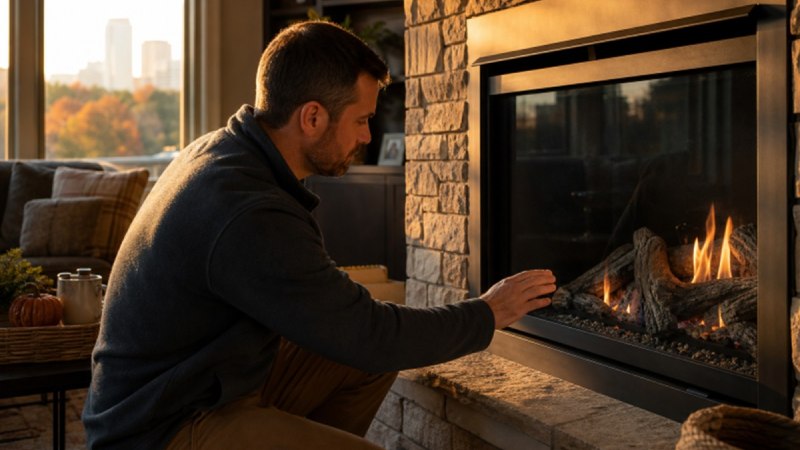
Before cooler evenings return to Atlanta, Georgia, give your gas fireplace a careful pre-season check. A fireplace that has sat unused through humid summers, pollen season, storms, and changing temperatures may need more than a quick dusting before it is put back into regular service.
For concerns that go beyond a basic homeowner inspection, gas fireplace service Atlanta from Southern Chimneys can help with seasonal maintenance, repairs, installations, and venting-related fireplace care. Southern Chimneys is an Atlanta-area chimney and fireplace company whose gas fireplace service covers issues such as ignition trouble, weak flames, safety checks, and system upgrades, making it a practical local option when a visual check reveals a problem that should not be handled as a DIY repair.
Why A Pre-Season Check Matters
Gas fireplaces avoid the ash and wood storage associated with a traditional wood-burning hearth, but they still depend on burners, ignition components, controls, glass, logs, and, for vented models, a clear path for exhaust. Dust, insects, moisture, or debris around an exterior termination can affect how the appliance starts and runs.
A short inspection also gives homeowners a useful baseline. If the glass, logs, flame pattern, or controls look different later in the season, that change is easier to describe to a service professional. Plan to spend about 20 to 30 minutes on a calm day before relying on the fireplace for warmth or ambiance.
What To Do Before Turning The Fireplace On
Start only when the fireplace is off and completely cool. Locate the owner’s manual if possible, since it provides model-specific instructions for lighting, cleaning, log placement, and approved fuel. Never assume that the procedure for one fireplace applies to another.
- Move rugs, furniture, paper, decorations, and other combustible items away from the appliance.
- Confirm that the glass panel, screen, and any required barriers are installed correctly.
- Look around the firebox, control compartment, and hearth for visible damage or loose parts.
- Check that the outdoor vent termination is not obstructed by leaves, mulch, nests, or other debris.
- Make sure adults in the household know where the appliance shutoff is located.
The Five-Minute Visual Check
Keep the homeowner inspection limited to what is plainly visible. Do not remove a burner, alter log placement unless the manual instructs you to do so, adjust gas pressure, or attempt vent repairs. Those tasks can affect safe operation.
- Inspect the glass. Look for cracks, chips, gaps, loose hardware, or heavy clouding that does not wipe away with an approved cleaning method.
- Review the logs and media. Ceramic logs, stones, or embers should match the arrangement shown in the manual. A displaced log can interfere with the intended flame pattern.
- Look for soot. New black staining on glass, logs, or the firebox deserves attention, especially if it returns soon after cleaning.
- Check the surrounding area. Watch for rust, water marks, peeling finishes, or signs that moisture has entered the fireplace chase or vent area.
- Test accessible controls. With the appliance operating according to its instructions, confirm that the wall switch, remote, or thermostat functions normally.
Taking a clear photo before the first use is a simple habit that can help you document the normal appearance of the fireplace. It may be useful if flames, soot patterns, or log placement later appear different.
How To Read The Flame
After the visual inspection, follow the manufacturer’s lighting instructions and observe the fireplace for several minutes. Flame color and shape vary by model, especially in decorative gas log systems, so compare what you see with the manual and with the appliance’s previous normal appearance.
- A noticeably weak or uneven flame may indicate a supply, burner, or control concern.
- A sudden change to an unusually lazy flame, new dark soot, or staining on the glass can suggest that service is needed.
- Delayed ignition, popping at startup, or a burner that fails to light promptly should not be ignored.
- A pilot light or main burner that repeatedly goes out needs professional evaluation.
Carbon Monoxide And Venting Safety
Carbon monoxide is colorless and odorless, which is why a working alarm is an important backup layer of protection. The CDC explains that carbon monoxide detectors should be installed near sleeping areas and replaced according to the manufacturer’s instructions. Test alarms before fireplace season and address low-battery warnings promptly.
An alarm does not replace correct installation, clear venting, or routine service. If a carbon monoxide alarm sounds, leave the home and contact emergency services from outside. Headache, dizziness, weakness, nausea, chest pain, or confusion while fuel-burning equipment is running should also be treated as a reason to get fresh air and seek help.
Warning Signs That Need Professional Help
Stop using the fireplace and arrange service if you notice any of the following:
- A rotten-egg or sulfur-like odor associated with natural gas
- Cracked, chipped, or improperly seated fireplace glass
- Heavy or recurring soot on glass, logs, or nearby surfaces
- Hissing, booming, persistent popping, or other unfamiliar sounds
- Failure to ignite, repeated shutdowns, or a pilot that will not remain lit
- Water damage, rust, or visible deterioration near venting components
If you suspect a gas leak, leave immediately without operating switches, phones, appliances, or anything that could create a spark. Atlanta Gas Light’s emergency guidance for a suspected leak advises leaving the area and calling for help only after reaching a safe location.
What Annual Service Should Cover
Annual service is more than cleaning the front glass. A qualified technician can inspect accessible components, evaluate ignition and shutdown functions, review venting, check the burner and pilot assembly, inspect the gasket and glass, and confirm that logs or media are correctly positioned.
Service needs can vary by fireplace age, usage, model, fuel type, manufacturer instructions, and condition. In Atlanta homes, it is also wise to request an inspection after a severe storm, water intrusion, or suspected animal activity around an exterior vent.
When To Call A Local Specialist
Call a qualified fireplace professional whenever the issue involves the gas line, valves, burner adjustments, internal components, venting, combustion concerns, or damaged safety glass. Ask whether the provider is experienced with your fireplace brand, what the inspection includes, and whether recommended repairs will be explained before work begins.
Common Questions
How Often Should A Gas Fireplace Be Checked?
Perform a basic visual check before seasonal use, and follow the appliance manufacturer’s maintenance guidance. Many homeowners schedule professional service annually.
Can A Homeowner Clean A Gas Fireplace?
Surface dust can often be removed from approved exterior areas when the unit is cool. Leave internal cleaning, burner work, gas adjustments, and vent service to a qualified technician.
Should The Pilot Light Stay On During Summer?
That decision depends on the fireplace model, manufacturer guidance, and homeowner preference. Review the manual or ask a technician which approach is appropriate for your specific appliance.
What Should Happen If The Fireplace Smells Like Gas?
Leave the area, avoid ignition sources, and call the gas utility or emergency services from a safe location. Do not restart the fireplace until the concern has been professionally addressed.