
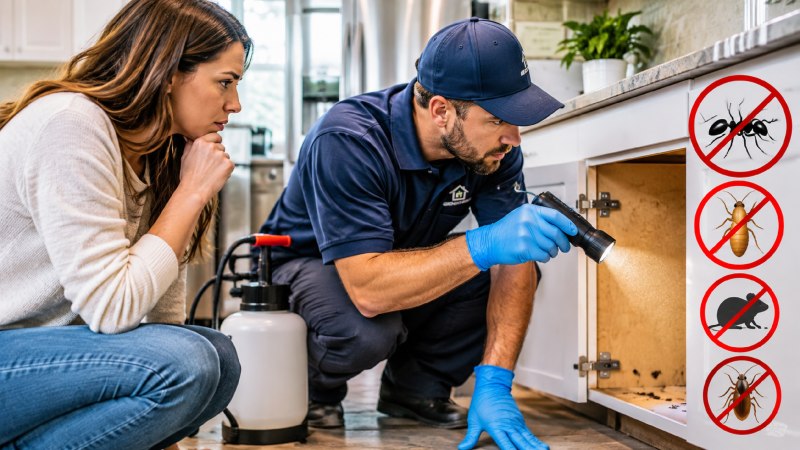
A can of spray from the hardware store handles plenty of household nuisances. A single wandering ant, one spider in the garage, a few fruit flies near the compost bin: these rarely need more than a wipe-down and some patience. Trouble starts when the same problem keeps returning, or when the evidence points to something larger than what you can see. Kansas City homes face real seasonal pressure, from spring termite swarms to the rodents that drift indoors once the first hard freeze settles over the region. Recognizing when a do-it-yourself approach has stopped working saves money, protects the structure of the house, and keeps a small infestation from becoming an entrenched one. The signs below mark that tipping point.
A Problem That Keeps Returning After Every Treatment
One reappearance is normal. Pests that wander in from outside often arrive in waves, and a single treatment may miss the stragglers. A pattern is different. If you clear ants from the kitchen in April and find them again in May, then again in June, the colony supplying them has survived. The same logic applies to cockroaches, where the insects you see usually represent a small fraction of the population hiding in wall voids, behind appliances, and inside cabinet hinges.
Timing offers a useful test. Pests that return within a few weeks of a thorough treatment are almost always being replenished from somewhere you have not reached. Pests that return months later, after a change of season, may simply be new arrivals through an entry point. Either answer is useful information, but neither is solved by buying a second can of the same product. Mice make a clear example. Trapping a few in the garage feels like progress, yet a pair of house mice can produce several litters in a year. Droppings that reappear after two or three catches point to a nest and an open entry route, not to bad luck.
Signs That Pests Have Settled Into Several Rooms
Finding a few bugs in one bathroom is a contained event. Finding them in the bathroom, the bedroom closet, and the basement laundry area is a different matter. Activity across multiple rooms suggests the pests have moved past a single point of entry and established shelter inside the building. Plumbing chases, shared wall cavities, and ductwork give insects and rodents private highways between floors, which explains why a problem treated upstairs can show up downstairs a week later.
Bed bugs illustrate the danger well. A homeowner who sprays one mattress often pushes the insects into adjacent rooms, where they keep feeding and spreading. Cockroach and ant populations scatter in similar ways when disturbed by repellent products. At this stage, a trained inspector can trace movement patterns that are hard to see without proper tools and experience reading droppings or shed skins. A professional assessment from a provider such as Clear Defense Pest Control in Kansas City gives you a map of where activity is concentrated, which helps separate the true nest from the places pests merely pass through.
Why Surface Sprays Can Hide the Real Source
Store-bought sprays are built to kill what they touch. That works on exposed insects, and the results look immediate: the counter is clear, the trail has vanished, and the house seems fine. The trouble is that visible insects are the symptom. The source sits somewhere else, often inside a wall void, under a slab edge, or in the soil along the foundation.
Repellent residues can make things worse. Some insects avoid treated surfaces and relocate, leaving the original area quiet while the population settles elsewhere in the home. Certain ant species respond to disturbance by splitting into multiple colonies, so aggressive spraying can multiply the problem. The calm that follows a treatment is easy to mistake for success for weeks.
Surface treatment also erases the clues that would reveal the origin. Once the visible evidence is gone, the trails, droppings, and moisture stains that would have shown where pests are coming from disappear with it. Professionals typically rely on baits, targeted residual applications, and exclusion work at entry points, an approach designed to reach hidden populations rather than the ones in plain view. If you have sprayed repeatedly and activity keeps resurfacing, the product is probably addressing symptoms.
Structural Damage That Points to Something Bigger
Some pests do their harm quietly inside the framing of a house. Subterranean termites, present across Missouri and Kansas, eat wood from the inside out and often leave a thin outer layer that looks intact. Warning signs include pencil-width mud tubes on foundation walls, discarded wings near windowsills after spring swarms, and wood that sounds hollow when tapped with a screwdriver handle. Carpenter ants leave a different trail: small piles of coarse, sawdust-like debris beneath baseboards or window frames, and faint rustling from inside walls.
Rodents cause structural trouble too. Gnawed wiring creates a fire risk, and chewed insulation reduces energy efficiency while supplying nesting material. Water stains near gnaw marks sometimes reveal pipe damage as well.
No consumer product can safely assess hidden damage, and guessing wrong is expensive. Repairs for termite damage can run into thousands of dollars, so early detection matters more than experimentation. Scheduling an inspection with a licensed local company documents what is actually happening inside the walls and gives you a clear basis for deciding what comes next. Waiting through another season only gives the damage more time.
When You Cannot Name What You Are Fighting
Correct identification determines every decision that follows. A product labeled for ants does nothing for termites, and treating carpenter ants like pavement ants wastes weeks. Unfamiliar pests deserve particular caution because several look alike. Termite swarmers resemble flying ants, and bed bug nymphs can pass for small seeds or lint to an untrained eye. Misidentification means the wrong product, the wrong placement, and lost time while the real population grows.
If you cannot name what you are seeing, gather evidence before the situation changes. Useful details to record include:
- Photos of the pests, droppings, or damage, with a coin beside them for scale
- A sealed sample of the insect, kept in a small jar or taped to an index card
- The rooms, dates, and times of day when activity appears
- Every product you have already used and where you applied it
Records like these shorten an inspection and help a technician rule out look-alikes quickly. They also protect you from a common trap. Each round of guesswork leaves residue, scattered insects, and confusion behind, and all of it makes the original problem harder to read. Pausing treatment once you realize you are guessing is often the most productive step available.
Key Takeaways
DIY pest control has a place. Light ant trails, seasonal spiders, and isolated flies respond well to cleaning, sealing gaps, and basic traps. The line gets crossed when patterns appear: infestations that recur within weeks, activity across several rooms, damage to wood or wiring, or pests nobody in the household can identify.
Equally telling is a sense of false progress. Quiet weeks after a spray do not confirm that the source is gone, and sometimes they mean the evidence has simply moved out of sight. A timely inspection costs far less than repairs left until next season. Treat each sign described above as a prompt to stop, document what you see, and get a trained opinion before the problem spreads further into your home.