
A single ant near the kitchen sink or an occasional scratching sound behind a wall may not seem like a serious concern. Many homeowners encounter insects or small animals inside their homes at some point, particularly during seasonal weather changes. However, the difference between an isolated pest sighting and an established infestation is not always obvious. Some pests remain hidden for weeks, leaving small clues before their presence becomes noticeable.
Recognizing those early warning signs can help homeowners avoid more extensive property damage, sanitation concerns, and repeated frustration. The location, frequency, and type of pest activity all provide useful information. Paying attention to these details also helps determine whether basic household measures are sufficient or professional assistance is needed.
Recognizing the Difference Between an Isolated Sighting and an Infestation
Finding one insect indoors does not automatically mean a home has an infestation. Ants, spiders, flies, and other pests can occasionally enter through open doors, windows, small gaps, or damaged screens. A single sighting may simply indicate that an insect found its way inside while searching for food, shelter, or favorable temperatures.
However, repeated appearances deserve closer attention. If ants continue returning to the same kitchen counter, cockroaches appear regularly after dark, or rodents are spotted more than once, there may be an established source nearby. The presence of multiple pests within a short period can also suggest that an entry point or nesting area has not been addressed.
Location matters, too. An insect near an exterior door presents a different concern from recurring activity around a pantry, bathroom, or interior wall. Homeowners should consider whether sightings occur randomly or follow a consistent pattern.
An isolated encounter usually involves limited activity that does not continue after the pest is removed and obvious entry opportunities are addressed. An infestation, by contrast, often produces recurring evidence even when individual pests are no longer visible. Recognizing that distinction early gives homeowners a better opportunity to respond before the problem spreads.
Warning Signs That Suggest a Larger Pest Problem
Pests rarely announce their presence clearly. Instead, they leave physical evidence that becomes easier to recognize with regular observation. Homeowners should look beyond visible insects and pay attention to changes in different parts of the property.
Droppings are among the more recognizable warning signs. Small, dark pellets around cabinets, food storage areas, garages, or along walls may indicate rodent activity. Cockroach droppings can resemble dark specks or small coffee grounds, particularly near appliances and kitchen storage spaces. Their appearance and location can help identify the type of pest involved.
Unusual sounds also deserve attention. Scratching, scurrying, or gnawing noises inside ceilings, walls, and attic spaces may suggest rodents or other animals moving through hidden areas. These sounds can become more noticeable during quiet nighttime hours.
Physical damage provides additional clues. Chewed packaging, damaged insulation, gnaw marks on wooden surfaces, holes in stored materials, and weakened structures may indicate ongoing pest activity. Termites, for example, can damage wooden components without producing obvious signs immediately.
Other warning signs include:
- Repeated insect sightings around the same windows, drains, cabinets, or appliances.
- Droppings, shed skins, egg cases, or nesting materials in concealed spaces.
- Scratching and movement sounds coming from walls, ceilings, or attic areas.
- Unexplained damage to food packaging, furniture, wiring, or wooden structures.
- Pest activity appearing in several rooms instead of remaining limited to one location.
One sign alone may not confirm an infestation. However, several indicators appearing together suggest that the problem deserves a more thorough inspection.
Why Pest Activity in Multiple Rooms Deserves Attention
A pest problem that appears in several rooms can indicate that insects or rodents have access to more than one part of the home. Different areas provide different resources. Kitchens offer food and water, bathrooms provide moisture, while attics, basements, and storage rooms can offer quiet nesting locations.
For instance, a homeowner might first notice ants near a kitchen sink. A few days later, similar activity may appear around a bathroom window or laundry area. Although these sightings may seem unrelated, they could involve the same colony following moisture or food sources through small openings.
Rodents can also move between connected spaces. Gaps around plumbing, utility lines, wall openings, and damaged exterior materials may provide access to multiple rooms. Consequently, removing one visible mouse does not necessarily address the larger problem.
Keeping track of these patterns can make a considerable difference. Homeowners who need assistance from Allen Pest Management can provide useful information about where activity has occurred and how frequently it appears. Such details help establish whether the problem is isolated or potentially connected to a larger source.
A pest sighting in a second or third room should not automatically cause alarm. Nevertheless, recurring evidence across different areas suggests that simply treating the first visible location may not be enough.
Documenting Pest Activity and Reducing Conditions That Attract Pests
Before deciding how to respond, homeowners should establish a clear picture of what is happening. Pest activity can be irregular, making it difficult to remember exactly where and when individual signs appeared. Simple documentation helps identify patterns that might otherwise go unnoticed.
A written record can include the date, time, room, type of pest, and any physical evidence discovered. Photographs are particularly useful for documenting droppings, damaged materials, insects, entry gaps, and possible nesting areas. Homeowners should avoid disturbing suspected nests or handling unfamiliar pests simply to obtain better pictures.
It is also helpful to record whether activity occurs during the day or at night. Some insects are more active during particular periods, while rodents often move through living spaces after household activity decreases.
Alongside documentation, reducing obvious food and moisture sources can make a home less attractive to pests. Practical steps include:
- Storing dry food in sealed containers rather than leaving opened packages in cupboards.
- Cleaning crumbs, grease, and food residue from counters, floors, and cooking appliances.
- Taking out household rubbish regularly and keeping outdoor bins properly covered.
- Repairing leaking faucets and pipes, drying wet surfaces, and improving ventilation.
- Removing standing water around the property and checking areas where moisture collects.
- Sealing accessible gaps around doors, windows, and utility openings where appropriate.
These measures can reduce the conditions that support pest activity. However, cleanliness alone does not guarantee that pests will disappear. Established colonies, hidden nests, and inaccessible entry points may require a more targeted response.
Knowing When DIY Pest Control Is No Longer Enough
Basic pest prevention and household treatments can be useful for minor problems. For example, cleaning a small spill, removing exposed food, or using suitable traps may resolve limited activity in some situations. The challenge arises when these efforts produce only temporary improvements.
If pests return shortly after treatment, the underlying source may remain untouched. Spraying visible insects, for instance, may eliminate individual pests without reaching a nest hidden behind a cabinet or inside a wall. Rodent traps can catch individual animals while other rodents continue entering through an unsealed opening.
Homeowners should also consider the risks associated with repeated chemical use. Applying multiple products without understanding their ingredients, placement requirements, or safety instructions can expose children, pets, and household members to unnecessary hazards. Products intended for one pest may also be ineffective against another.
Professional attention becomes increasingly reasonable when there are recurring sightings, unexplained property damage, evidence of nesting, or activity across several rooms. It is also advisable when homeowners cannot identify the pest or locate the source of the problem.
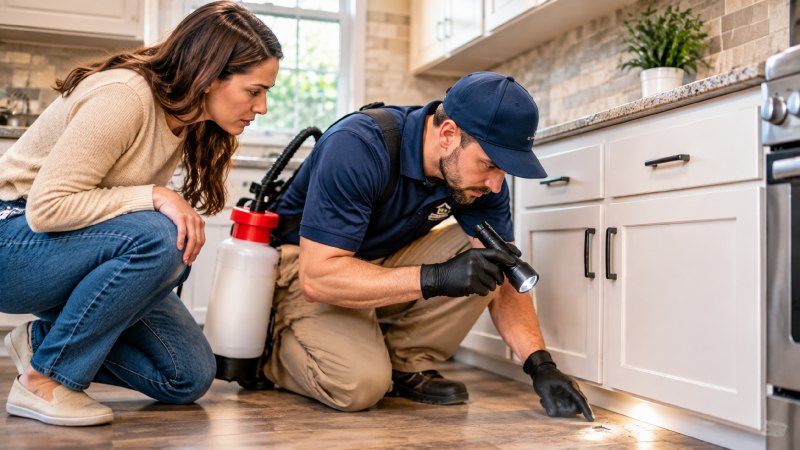
A professional inspection can help determine the species involved, identify possible entry points, assess the extent of activity, and establish an appropriate treatment approach. Depending on the situation, the response may involve targeted treatments, monitoring, exclusion measures, or recommendations for correcting conditions that encourage pests.
For residents seeking local assistance, a licensed local provider is a professional resource in Fayetteville, Arkansas. Getting an assessment when warning signs persist can help homeowners understand what is happening rather than relying on repeated treatments that address only visible symptoms.
End Note: Responding Early Can Prevent Bigger Problems
A small pest sighting does not always indicate a serious household issue. Nevertheless, repeated appearances, droppings, unusual noises, structural damage, and activity across multiple rooms should never be dismissed without consideration. These clues help homeowners distinguish occasional encounters from problems that may involve hidden nesting areas or ongoing access to the property.
Consistent observation is a practical starting point. Recording sightings, photographing physical evidence, maintaining clean food storage areas, and addressing moisture problems can all support effective pest prevention. Just as importantly, homeowners should recognize the limits of household treatments.
When activity continues despite reasonable preventive measures, a professional inspection can provide a clearer understanding of the problem. Addressing the source instead of repeatedly removing visible pests gives homeowners a more informed path toward maintaining a cleaner, safer, and better-protected living environment.