
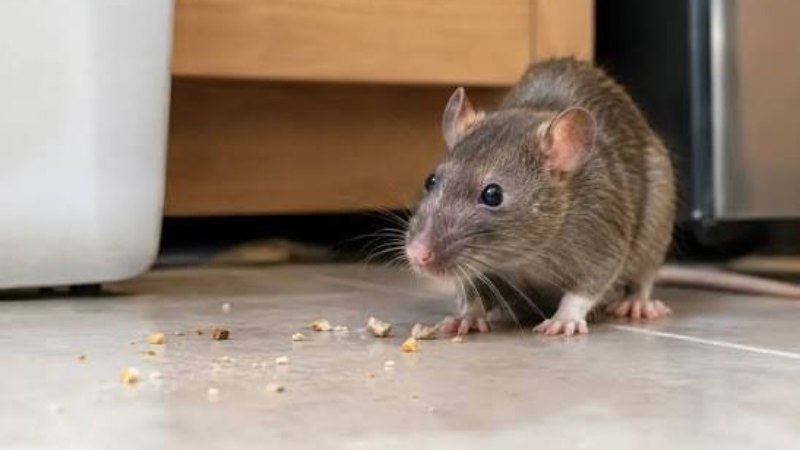
A faint scratching above the bedroom ceiling at 2 a.m. rarely sounds urgent. By the third night, it sounds like a problem. Rodents are good at staying out of sight, so by the time a family notices one clear clue, the animals have often been in the house for weeks. Louisiana’s warm, humid climate gives them an advantage, since mild winters mean less pressure to leave and more chances to breed. Roof rats, Norway rats, and house mice all do well in Gulf South neighborhoods, especially near drainage ditches, heavy tree cover, and older homes with small gaps in the siding. Learning to read the early signs makes a calm, effective response possible.
Scratching, Scurrying, and Other Noises After Dark
Sound is usually the first clue. Rodents are most active at night, so the evidence tends to arrive when the house is quiet. Light, fast scampering inside a wall often points to mice. Heavier thumping or dragging overhead suggests rats, and roof rats in particular favor attics because they climb well and prefer to nest high.
Timing helps with diagnosis. Noises that begin at dusk and fade by sunrise fit rodent behavior, while sounds that continue through the afternoon may involve squirrels or birds in the soffit. Gnawing produces a distinct dry, rhythmic scraping, and squeaking may come from young animals in a nest.
Location matters too. Sounds along a kitchen wall may follow a plumbing chase, while noise in the ceiling above a garage often traces to a gap near the roofline. Writing down where and when the sounds occur gives a technician a head start later. A family that hears activity in several rooms should assume the animals travel through connected voids rather than staying in one spot.
Droppings and Gnaw Marks That Confirm Activity
Sound suggests a problem, but droppings confirm it. Mouse droppings are small and dark, about the size of a grain of rice, with pointed ends. Rat droppings are larger and more capsule-shaped. Fresh ones look dark and slightly moist, while old ones turn gray and crumble when touched. Finding them along baseboards, inside cabinets, behind appliances, or on attic insulation shows which routes the animals use.
Gnaw marks tell a related story. Rodent incisors never stop growing, so the animals chew constantly to wear them down. Fresh gouges in wood look pale and sharp, and they darken with age. Chewed corners on door frames, nibbled plastic bins, and damaged wire insulation all count. The wiring is a genuine concern, since exposed conductors raise the risk of electrical faults inside walls.
Grease trails offer another hint. Rodents follow the same paths repeatedly, and the oils in their fur leave dark smudges along walls and pipes. Small tracks in dust, or a faint musky odor in a closed space, can complete the picture.
Food Damage and Nesting Material in Hidden Spaces
Pantry evidence is often the most visible to a family. Torn cereal boxes, gnawed bread bags, and chewed pet food sacks leave a mess that cannot be mistaken for ordinary wear. Rodents tend to drag food away rather than eat it on the spot, so scattered kibble or crumbs in odd places, such as a closet or the back of a drawer, suggest hoarding.
Nests appear where the animals feel secure. Shredded paper, fabric scraps, insulation, dried leaves, and cardboard get packed into corners of attics, wall cavities, garages, and storage boxes. A tidy ball of soft material behind a water heater or inside an unused grill is a strong sign of breeding activity.
When these warning signs appear repeatedly, professional Baton Rouge rodent control services can help homeowners identify nesting areas, locate hidden entry points, and address infestations before they cause further damage. Rodent management often involves a combination of trapping, exclusion measures, and sanitation to eliminate existing activity and reduce the likelihood of future infestations. Addressing the problem early can also help protect stored food, insulation, and electrical wiring from additional damage.
Safe Steps to Take as Soon as the Signs Appear
Early actions can limit damage without making the situation harder to treat. Because rodent waste can carry pathogens, cleanup should be careful. Sweeping or vacuuming dry droppings can send particles into the air, so the standard advice is to wear gloves and a mask, dampen the area with disinfectant, and wipe it up with disposable towels.
A basic response plan keeps the family organized:
- Note where noises, droppings, and gnaw marks have appeared.
- Store food, including pet food, in sealed metal or hard plastic containers.
- Clean up spills and crumbs, and empty kitchen trash nightly.
- Remove cardboard, paper stacks, and clutter near walls.
- Check the exterior for gaps, torn vent screens, and loose siding.
- Hold off on loose poison, which can cause rodents to die inside walls.
That last point deserves emphasis. Poison left in open trays can harm pets and children, and a dead animal in an inaccessible cavity creates odor and attracts flies for days. Snap traps placed along travel paths, with the trigger end against the wall, are a more controlled option for a small, early problem. Families should place them where pets cannot reach.
Sealing Entry Points and Knowing When to Call for Help
Trapping alone rarely fixes the cause. Mice can squeeze through openings about the width of a pencil, and rats need only a gap roughly the size of a quarter. Common weak spots include utility penetrations, garage door seals, roof vents, and the junction where the roof meets a wall. Steel wool, metal mesh, and sealant rated for exclusion work better than foam, since rodents chew through soft fillers easily.
Trimming branches that touch the roof removes a major access route for roof rats. Moving firewood and debris away from the foundation reduces shelter, and fixing leaky outdoor spigots takes away a water source.
Certain situations call for professional help. Activity in several rooms, repeated returns after trapping, noise in the attic that persists for weeks, or signs of chewed wiring all suggest an established population. A licensed technician can inspect the roofline, crawl spaces, and attic, identify the species, and locate entry points that a homeowner would likely miss. Homeowners can use their notes and photographs to explain the pattern of rodent activity and keep the inspection focused on likely nesting and entry points.
Final Analysis
Rodents leave a pattern of clues, and families who learn to read them can respond early. Nighttime noises, droppings, gnaw marks, damaged food, and nesting material each point toward the same conclusion from a different angle. The best response is measured: record what appears, clean safely, secure food, reduce clutter, and close the gaps that let the animals in. When the signs spread across rooms or keep coming back, bringing in a trained inspector saves time and prevents the quieter damage that builds inside walls and attics. Acting on the first scratch in the ceiling, rather than the tenth, is what keeps a manageable issue from growing into a costly one.