
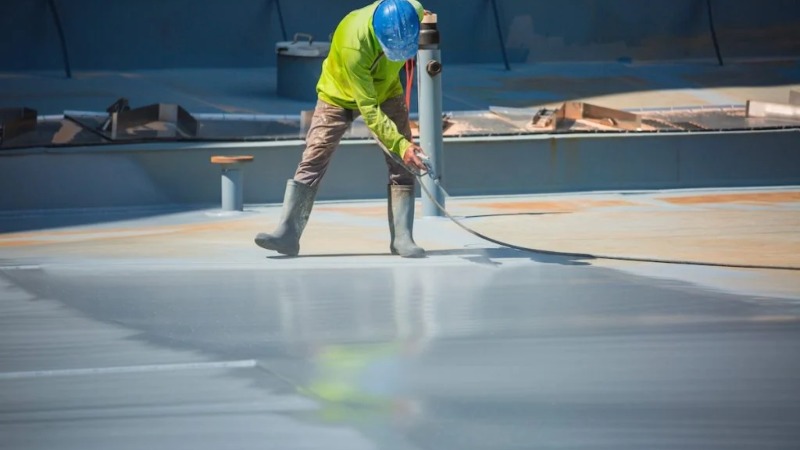
Modern commercial roofs are constantly exposed to sunlight, temperature fluctuations, moisture, and severe weather. Over time, these conditions can weaken roofing materials, leading to leaks, higher maintenance costs, and reduced energy efficiency. Rather than replacing an aging roof immediately, many property owners explore practical solutions to preserve the existing system and delay major capital expenses.
One option that has gained attention is the use of modern roof coatings, which can provide an additional protective layer when applied to suitable roofing systems. Understanding how different coating materials work, their potential benefits, and their limitations can help building owners make informed maintenance decisions. For readers interested in learning more about commercial roofing solutions and industry practices, visit this link to explore roofing services, maintenance, and building envelope management.
Understanding Roof Coatings
Roof coatings are specialty liquid membranes that, once applied and cured, create a seamless, protective barrier across your commercial roof. Designed to adhere directly to existing roofing materials, these coatings restore aging surfaces and provide an extra layer of defense against harsh environmental factors. By sealing joints, filling small cracks, and resisting weathering, roof coatings can postpone the need for a costly full roof replacement.
Benefits of Roof Coatings
- Extended Roof Lifespan.Quality coatings protect your roof from UV rays, moisture, thermal cycling, and foot traffic, commonly adding 10 to 20 years to a roof’s service life. This long-term durability translates into major savings by delaying expensive replacements and reducing emergency repairs.
- Energy Efficiency.Highly reflective roof coatings can reduce heat absorption and lower interior cooling costs, especially in hot climates.
- Cost Savings.Choosing a roof coating rather than a tear-off replacement project typically saves property managers 50 to 70 percent on upfront costs, with minimal disruption to normal business activities during installation.
- Environmental Impact.Roof coatings extend the life of the entire roofing system, reducing landfill waste that accompanies roof tear-offs. Their energy-saving properties also help to shrink your building’s overall carbon footprint.
Types of Roof Coatings
Not all roof coatings are created equal. The ideal product varies depending on your climate, roof material, and usage patterns. Major categories include:
- Acrylic Coatings.These water-based coatings are popular for their strong UV resistance, reflectivity, and affordability. Acrylics are best for properties that need solar reflectance in moderate-rainfall climates.
- Silicone Coatings.Silicone’s main strength is its durability in environments exposed to frequent ponding water. This option withstands moisture, offers great weather resistance, and requires less maintenance than some alternatives.
- Polyurethane Coatings.Designed for maximum toughness, polyurethane coatings resist impact and abrasion, making them suitable for roofs with heavy foot traffic or mechanical equipment.
Selecting the right type requires a careful assessment of your building’s roof surface, environmental conditions, and desired performance characteristics.
Application Process
- An expert must assess your roof’s condition, looking for issues such as leaks, cracks, or surface wear that require attention prior to coating.
- Power washing or other removal of dirt, loose material, and contaminants is critical for proper adhesion and the longevity of the coating.
- Damaged areas such as blisters, tears, or significant cracks should be repaired to ensure a sound surface for the new coating.
- Coating Application.Following manufacturer recommendations for coating thickness and curing times is essential for achieving optimal results. Most products are applied using sprayers or rollers in multiple layers as needed.
A qualified roofing professional should always handle the application to protect warranties and guarantee proper material performance.
Maintenance and Inspection
- Routine Inspections.Building owners should schedule inspections at least twice a year, as well as after major weather events, to catch any developing issues early.
- Preventing debris buildup protects the surface and stops organic matter from degrading the coating.
- Prompt Repairs.Quickly addressing punctures, ponding, or worn spots can prevent minor problems from escalating and ensure the system lasts as long as intended.
Cost Considerations
Roof coating projects are generally 50 to 70 percent less expensive than replacements, although prices vary with roof size, accessibility, product type, and overall condition. Reflective coatings can deliver additional returns through lower utility bills, helping offset the initial investment over several years. Factoring in extended warranties and fewer disruptions to building activities further boosts overall value.
Conclusion
Modern roof coatings are a game-changing solution for extending the life of commercial roofs. By enhancing protection, increasing energy efficiency, and lowering lifecycle costs, they represent a wise investment for property owners seeking to get the most from their roofing assets.