
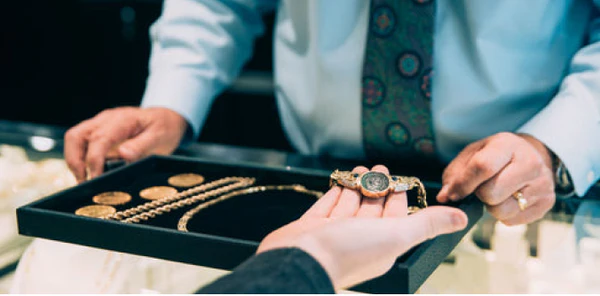
Scottsdale, Arizona has quietly built one of the most concentrated luxury jewelry markets in the country. What started as a regional appetite for fine goods among affluent retirees and resort visitors has evolved into a sophisticated ecosystem where investment-grade pieces, high-end watches, and estate jewelry change hands at a pace that rivals major coastal cities.
The Desert Setting That Made Luxury Make Sense
Scottsdale’s climate and culture created unusual conditions for a jewelry market to flourish. The city draws a seasonal population with significant disposable income, and that demographic overlap between snowbirds, tech executives, and real estate investors produced consistent demand for pieces that hold value over time.
The resort corridor along North Scottsdale became a natural anchor. Visitors spending a long weekend at a luxury property were already in a buying mindset, and jewelers recognized that proximity to these destinations mattered. The retail landscape shifted accordingly. Boutiques opened near golf courses and spa resorts, not just in traditional mall settings.
That geographic logic turned out to be durable. Even as retail patterns changed nationally, Scottsdale’s jewelry district maintained foot traffic because the audience was already there for other reasons. The customers came for the golf. The jewelry followed.
Investment Jewelry as a Category, Not Just a Purchase
The shift from decorative jewelry to investment jewelry represents a meaningful change in how buyers approach fine pieces. A diamond solitaire bought in the 1980s as an engagement ring is one thing. A GIA-certified stone in a known cut grade, bought with resale documentation and provenance, is something else entirely.
Scottsdale dealers leaned into this distinction early. Several established shops began offering detailed condition reports, authentication services, and buyback programs that signaled to customers they were entering a transaction with long-term value, not just a retail exchange.
What Makes a Piece Investment-Grade
The markers of investment-grade jewelry are specific and consistent across the industry:
- Certification from a recognized gemological authority
- Documented provenance or original purchase records
- Metal purity verified by assay or hallmark
- Condition consistent with the piece’s age and stated history
- Demand-driven design, meaning classic cuts and settings that retain appeal across decades
Dealers who communicated these criteria clearly built loyal client bases. Buyers who understood what they were getting came back when they were ready to upgrade, trade, or liquidate.
The Role of Watches in the Investment Conversation
Luxury watches became a parallel track in the same market. Mechanical timepieces from established Swiss manufacturers carry many of the same investment characteristics as fine jewelry, and Scottsdale’s buyer profile translated naturally. The same customer acquiring a significant diamond piece was often interested in a reference-number-specific watch from a brand with a documented secondary market.
Watch dealers and jewelry dealers in the area started cross-referring clients, and some shops expanded to carry both categories under one roof. That consolidation made the buying experience more efficient and reinforced the investment framing across both product types. One roof, two markets, one conversation.
How the Secondary Market Became the Real Engine
The primary sale of new luxury goods matters, but the secondary market is where Scottsdale’s jewelry economy developed real depth. Estate sales, consignment programs, and private acquisitions created a constant flow of inventory that attracted buyers who might never walk into a new-goods boutique.
Estate jewelry carries a different appeal. The pieces are often better-made than contemporary equivalents, reflecting craftsmanship standards and material quality from earlier decades. Art Deco platinum settings, mid-century colored stone pieces, and vintage signed jewelry from notable houses all found buyers here.
Dealers who built strong estate acquisition pipelines had a competitive advantage. They could offer pieces unavailable anywhere else, at price points that made sense for buyers who understood value. The secondary market also created a natural entry point for newer collectors who weren’t ready to spend at the new-goods level but wanted to start building a collection with genuine quality.
Building Trust in a High-Stakes Market
Jewelry transactions involve significant sums and a level of trust that most retail categories never require. A buyer spending tens of thousands of dollars on a single piece needs to believe the seller’s representation of that piece is accurate. In a market where that trust breaks down, buyers disappear.
Scottsdale’s jewelry community addressed this through reputation, transparency, and professional credentialing. Gemologists with GIA training became standard rather than exceptional. Shops like The Estate Watch & Jewelry Co. that invested in proper lighting, loupe access, and written documentation stood apart from those relying on verbal assurances.
The city’s real estate culture likely reinforced this dynamic. Scottsdale buyers are accustomed to transaction environments with formal documentation, inspection periods, and professional representation. They brought those expectations into jewelry purchases and rewarded dealers who met them.
Word of mouth in a wealthy, socially connected community travels fast. A single bad transaction can close doors that took years to open. That accountability pressure pushed the market toward higher standards over time.
The Scottsdale Model and What It Signals for Other Markets
Other mid-sized luxury markets have watched Scottsdale’s development with interest. The formula isn’t complicated, but it requires specific conditions to work. A concentrated affluent population, a culture that values tangible assets, and a retail environment that prioritizes expertise over volume all contribute.
Phoenix’s broader growth has fed the Scottsdale market with new residents who arrive with wealth accumulated elsewhere and an interest in establishing themselves in a new city. Jewelry and watches function partly as social signals in that context, and partly as genuine stores of value in an era when financial markets feel unpredictable.
The dealers who have thrived understood both motivations and served them without condescension. A buyer who wants a beautiful piece and also wants to know it holds value isn’t asking for too much. The best Scottsdale shops made that combination feel natural.
Conclusion
Scottsdale’s luxury jewelry market isn’t standing still. Digital authentication tools, blockchain-based provenance records, and the growth of online secondary market platforms are all reshaping how investment pieces are bought and sold. The dealers who built their reputations on in-person expertise are adapting, incorporating these tools without abandoning the personal relationships that defined their businesses.
The city’s underlying advantages remain intact. The population is growing, the wealth concentration is increasing, and the appetite for tangible, lasting value isn’t going away. What began as a regional quirk has become a genuine model for how a mid-sized American city can build a luxury market with real staying power.