
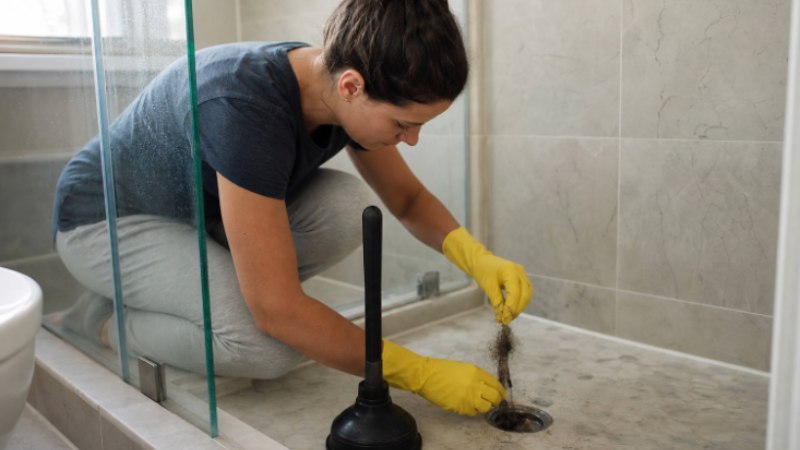
A clogged drain often starts as a small inconvenience, such as a sink that empties slowly or a shower that leaves water around your feet. Addressing those early warnings can prevent a messy backup, property damage, and an urgent call for drain cleaning and rooter service in Annapolis, MD, Knowing what to watch for, which DIY steps are appropriate, and when to stop using water gives homeowners a practical way to protect their plumbing. The goal is not to force every clog through the pipe, but to recognize when a blockage may be larger or farther down the system.
Spot the Early Signs of a Drain Problem
Drain trouble rarely appears without clues. Water that takes longer to disappear, bubbling or gurgling noises, unpleasant odors, and water movement in another fixture all deserve attention. For example, a shower that drains more slowly each week may have a growing buildup of hair, soap residue, and minerals near the trap. Waiting until it stops completely can turn a quick cleanup into a larger blockage.
Learn What Usually Causes Clogs
Kitchen drains commonly collect cooking grease, oils, coffee grounds, rice, pasta, flour, fibrous vegetable scraps, and food particles that slip past a strainer. Grease may look harmless while warm, but it can cool and cling to pipe walls. The EPA notes that fats, oils, grease, and some household products can create blockages in sewer systems. Bathroom drains are more likely to clog with hair, soap residue, toothpaste, shaving products, and hard-water minerals. Toilets and sewer lines can be blocked by excessive paper, wipes, hygiene products, toys, and other foreign objects. In older homes, tree roots may enter through pipe openings, while cracked, shifted, corroded, or sagging pipes can repeatedly catch waste.
Try Safe First Steps at Home
A minor clog affecting one sink, tub, or shower may respond to a few careful steps:
- Stop running water into the affected fixture.
- Remove the stopper, cover, or strainer and put on gloves.
- Pull out visible hair or debris with a plastic drain tool.
- Use the correct plunger for the fixture and maintain a good seal.
- Run warm water only after the drain begins flowing normally.
- Stop if water rises, another fixture reacts, or the clog quickly returns.
Never mix cleaning products, and avoid working near standing water when electrical cords, outlets, or appliances could be involved.
Know Why Chemical Cleaners Can Backfire
Chemical drain cleaners may provide a short-term improvement without removing the material causing the restriction. Some products can be hard on older or weakened pipes, and caustic liquid can remain in the trap or drain line after an unsuccessful attempt. That creates a hazard for anyone who later plunges, snakes, or disassembles the pipe. For stubborn or recurring clogs, mechanical cleaning and diagnosis are usually more controlled options.
Tell a Fixture Clog From a Main Line Issue
The number and location of affected fixtures can help narrow down the problem:
- One slow sink: This often suggests local buildup near that fixture. Remove debris and try careful plunging.
- One slow shower: Hair, soap, and mineral deposits are common. Clean the drain cover and monitor it.
- Several drains backing up: This can point to a main drain or sewer line restriction. Stop water use and arrange service.
- A toilet flush affecting the tub: A blockage may be farther down a shared line. Do not keep flushing to test it.
Follow a Drain Backup Emergency Plan
If sewage or dirty wastewater enters the home, act quickly but carefully. Stop using sinks, showers, toilets, dishwashers, and washing machines. Keep children and pets away, move rugs and stored items out of the area, and do not touch electrical equipment while standing in water. Because sewage may contain harmful pathogens, avoid contact with wastewater that backs up into your home and contact a qualified plumbing professional or the appropriate local authority.
Review Professional Cleaning Methods
Mechanical Augering
A cable machine can break through, retrieve, or cut certain obstructions. The proper cable and cutting head depend on the pipe material, diameter, and suspected clog.
Hydro Jetting
Hydro jetting uses pressurized water to remove grease, sludge, and buildup from suitable drain lines. A plumber should evaluate the pipe first, especially when the system is old or potentially damaged.
Camera Inspection
A drain camera can reveal roots, cracks, pipe offsets, severe buildup, or collapsed sections. This helps determine whether cleaning is enough or whether repair is needed.
Build a Simple Drain Prevention Routine
- Use strainers in kitchen sinks, showers, and tubs.
- Let the grease cool in a container, then throw it in the trash.
- Keep wipes, paper towels, and hygiene products out of toilets.
- Run adequate water when using a garbage disposal.
- Clean visible drain covers weekly.
- Pay attention to slow drains instead of waiting for a full clog.
- Schedule an inspection when the same blockage returns.
Answer Common Homeowner Questions
Can a clogged drain clear on its own?
Sometimes water finds a temporary path through shifted buildup, but that does not mean the pipe is clean. A recurring slow drain should be treated as an unresolved problem.
When should a homeowner stop DIY attempts?
Stop when multiple fixtures are affected, wastewater rises, odors become strong, chemical cleaner has already been used, or simple methods fail.
Does a clear drain mean the pipe is in good condition?
No. Restored flow does not rule out roots, cracks, corrosion, or a shifted pipe section. Persistent trouble is a reason to investigate the condition of the line itself.
Conclusion
Slow flow, unpleasant odors, gurgling sounds, and repeated backups are early signals that deserve prompt attention rather than being treated as normal plumbing behavior. A drain does not have to stop completely before a problem becomes serious. Partial blockages caused by hair, grease, food debris, mineral buildup, or other materials can gradually restrict water flow and place additional stress on the drainage system. Good disposal habits, regular cleaning, properly fitted strainers, and simple maintenance can reduce the likelihood of buildup and recurring clogs. When a backup begins, quick action can also help limit water damage, unpleasant odors, and contamination. If several fixtures begin draining slowly at the same time, toilets bubble when other fixtures are used, or the same drain repeatedly clogs after being cleared, the issue may be deeper in the branch or main sewer line. Professional diagnosis can help identify the root cause and determine the appropriate solution before a manageable drainage problem becomes a costly plumbing emergency.