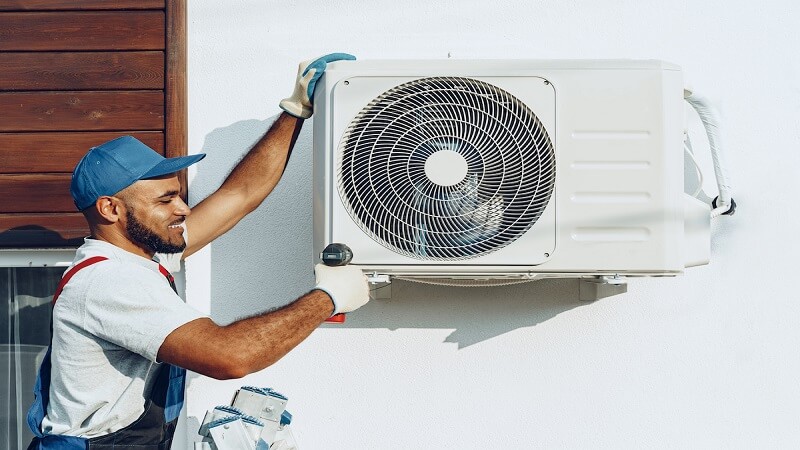
Your home’s HVAC (Heating, Ventilation, and Air Conditioning) system works hard year-round to keep you comfortable. Whether it’s cooling your home in summer or warming it during winter, your HVAC consumes a significant portion of your energy bill — often up to 40–50%. Proper maintenance not only helps you save energy but also improves air quality, extends the system’s lifespan, and reduces costly repairs.
In this complete guide, you’ll learn how to maintain your HVAC system for energy savings, including expert maintenance tips, seasonal care, and smart upgrades.
1. Why HVAC Maintenance Matters
Before jumping into maintenance techniques, it’s important to understand why HVAC care is crucial:
- Energy Efficiency: A well-maintained HVAC system uses less energy to operate, reducing your electricity bills.
- Extended Lifespan: Regular care prevents breakdowns and extends the life of your equipment.
- Improved Indoor Air Quality: Clean filters and ducts reduce dust, allergens, and pollutants.
- Lower Repair Costs: Preventive maintenance catches small issues before they become expensive repairs.
- Consistent Comfort: A well-maintained system distributes air evenly, keeping your home temperature stable.
Without proper maintenance, your HVAC can lose up to 30% efficiency in a single year. That means higher bills and unnecessary strain on your system.
2. Understanding How Your HVAC System Works
To maintain your HVAC effectively, you should understand its main components:
- Thermostat: Controls the system temperature and timing.
- Air Handler and Blower: Distributes heated or cooled air through ducts.
- Evaporator Coil: Absorbs heat from indoor air (for cooling).
- Condenser Coil: Releases heat outdoors.
- Refrigerant Lines: Circulate refrigerant between the indoor and outdoor units.
- Filter: Traps dust and debris from the air.
- Ductwork: Carries conditioned air throughout your home.
Every part plays a role in energy efficiency. Neglecting any of them can cause uneven cooling, higher power consumption, or poor air quality.
3. Regular HVAC Maintenance Checklist
Here’s a list of key maintenance tasks every homeowner should follow to keep their system efficient:
A. Change or Clean Air Filters Regularly
- Why: Clogged filters restrict airflow, forcing your system to work harder.
- How Often: Replace disposable filters every 1–3 months, or clean reusable ones monthly.
- Tip: During heavy use (summer or winter), check filters more frequently.
B. Keep the Outdoor Unit Clean
- Remove dirt, leaves, and debris around the condenser unit.
- Maintain at least 2 feet of clearance around it for proper airflow.
- Gently rinse the fins with a garden hose to remove dirt buildup.
C. Inspect Air Ducts
- Look for leaks, loose joints, or blockages.
- Seal leaks using HVAC-approved tape or mastic sealant.
- Leaky ducts can waste up to 30% of energy.
D. Clean the Coils
- Both the evaporator and condenser coils collect dust and debris over time.
- Use a soft brush or coil cleaner spray to remove buildup.
- Clean coils help your system transfer heat efficiently.
E. Check the Thermostat
- Calibrate it properly for accurate temperature readings.
- Replace old thermostats with programmable or smart models to optimize energy use.
F. Inspect Refrigerant Levels
- Low refrigerant causes poor cooling and increased energy use.
- Only certified technicians should check and refill refrigerant.
G. Check Condensate Drain Line
- Ensure the drain is not clogged to prevent water damage and mold growth.
- Pour a mixture of water and vinegar down the line once a month to keep it clean.
H. Lubricate Moving Parts
- Motors, fans, and bearings should be lubricated to reduce friction and wear.
- Lack of lubrication causes your system to draw more power.
I. Test System Controls
- Check startup, operation, and shutdown cycles.
- Irregular cycling or noises indicate issues that require professional inspection.
4. Seasonal HVAC Maintenance Tips
Maintaining your HVAC system seasonally ensures it performs efficiently all year long.
Spring and Summer Maintenance
- Clean the condenser coils before summer heat arrives.
- Test the AC for cooling performance.
- Clear vegetation around the outdoor unit.
- Check refrigerant levels.
- Replace the air filter before summer.
Fall and Winter Maintenance
- Inspect and clean furnace burners.
- Replace or clean filters before winter use.
- Test the heating system for proper operation.
- Ensure the heat exchanger is not cracked.
- Clean air vents and registers.
By preparing ahead of each season, you’ll prevent system stress and reduce energy waste.
5. Upgrade to a Smart Thermostat
Installing a smart thermostat can significantly boost your HVAC efficiency. These devices learn your schedule and adjust temperatures automatically to save energy when you’re away or asleep.
Benefits of a Smart Thermostat:
- Reduces energy usage by up to 10–15% annually.
- Allows remote control via smartphone apps.
- Provides real-time energy reports.
- Integrates with home automation systems.
Popular smart thermostats include Google Nest, ecobee, and Honeywell Home models. Pairing them with a well-maintained HVAC system delivers maximum energy savings.
6. Seal Air Leaks and Insulate Your Home
Even if your HVAC is well-maintained, poor insulation can waste energy. Proper sealing and insulation ensure your system doesn’t overwork to maintain comfort.
Tips for Sealing and Insulation:
- Seal gaps around windows and doors with weatherstripping or caulk.
- Add insulation to attics, crawl spaces, and walls.
- Insulate ducts in unconditioned spaces like basements or attics.
- Use insulated curtains or blinds to retain indoor temperature.
A well-insulated home reduces HVAC workload, saving both energy and money.
7. Schedule Professional HVAC Tune-Ups
While DIY maintenance is important, professional inspections are essential for deep checks and long-term efficiency.
Professional Technicians Will:
- Inspect electrical connections and voltage.
- Measure airflow and thermostat calibration.
- Check refrigerant levels and pressure.
- Clean and lubricate internal components.
- Provide performance reports and repair recommendations.
Frequency:
Schedule a professional tune-up twice a year — once in spring (for cooling) and once in fall (for heating).
These preventive visits catch issues early and ensure your system runs at peak performance.
8. Keep Vents and Registers Clear
Blocked vents make your HVAC system work harder, wasting energy.
- Move furniture, rugs, or curtains away from vents.
- Clean registers monthly to remove dust buildup.
- Ensure all vents are open for balanced airflow.
Even a few blocked vents can affect temperature consistency and energy efficiency throughout your home.
9. Replace Old or Inefficient Systems
If your HVAC system is over 10–15 years old, it may no longer operate efficiently, even with regular maintenance. New models are far more energy-efficient and environmentally friendly.
Signs It’s Time to Replace:
- Frequent breakdowns or costly repairs.
- Uneven heating or cooling.
- Rising energy bills despite maintenance.
- System runs longer to achieve desired temperature.
Look for ENERGY STAR®-certified HVAC systems, which use 15–20% less energy than standard models. Though replacement may seem expensive, the energy savings and reliability make it a worthwhile investment.
10. Optimize Thermostat Settings for Energy Savings
Adjusting your thermostat wisely can yield significant energy savings.
Recommended Settings:
- Summer: Set to 78°F (26°C) when at home; 85°F (29°C) when away.
- Winter: Set to 68°F (20°C) when at home; lower by 7–10°F when away or asleep.
Using these settings consistently can cut energy bills by 10% or more per year.
11. Improve Indoor Air Circulation
Good air circulation helps your HVAC distribute conditioned air evenly and operate efficiently.
Tips to Improve Circulation:
- Use ceiling fans to circulate air.
- Keep doors open between rooms for better airflow.
- Clean vents and ductwork regularly.
- Maintain balanced humidity levels (30–50%) with a humidifier or dehumidifier.
When air moves freely, your HVAC system doesn’t need to overwork to maintain comfort.
12. Monitor Energy Usage
Tracking your home’s energy consumption helps you identify when your HVAC may be using too much power.
Use These Tools:
- Smart Thermostat Reports: Most smart devices offer energy usage history.
- Utility Company Apps: Many provide real-time monitoring.
- Home Energy Monitors: Devices like Sense or Emporia monitor your entire home’s energy use.
By tracking data, you can spot sudden spikes and schedule maintenance before a small issue turns into a major problem.
13. Additional Tips for Long-Term Energy Efficiency
- Install window films or solar screens to block heat in summer.
- Upgrade to energy-efficient windows and doors.
- Shade your outdoor unit from direct sunlight to improve cooling efficiency.
- Install a zoned HVAC system if your home has multiple floors or large areas.
- Consider renewable energy sources like solar-powered HVAC systems for long-term savings.
14. Common HVAC Mistakes to Avoid
Many homeowners unknowingly reduce their HVAC’s efficiency through small mistakes:
- Ignoring filter changes.
- Closing too many air vents.
- Setting thermostat too low/high.
- Skipping annual tune-ups.
- Using the wrong filter size.
Avoiding these simple mistakes can save you hundreds annually in energy costs.
15. Conclusion
Maintaining your HVAC system isn’t just about comfort — it’s about smart energy management and cost efficiency. With consistent care, seasonal tune-ups, and a few smart upgrades, you can keep your home comfortable year-round while reducing your energy bills.
Key Takeaways:
- Change air filters regularly.
- Keep coils and vents clean.
- Schedule professional inspections twice a year.
- Upgrade to a smart thermostat.
- Seal air leaks and insulate your home.
By following this complete guide on how to maintain your HVAC for energy savings, you’ll protect your investment, improve indoor comfort, and enjoy long-term energy efficiency.