
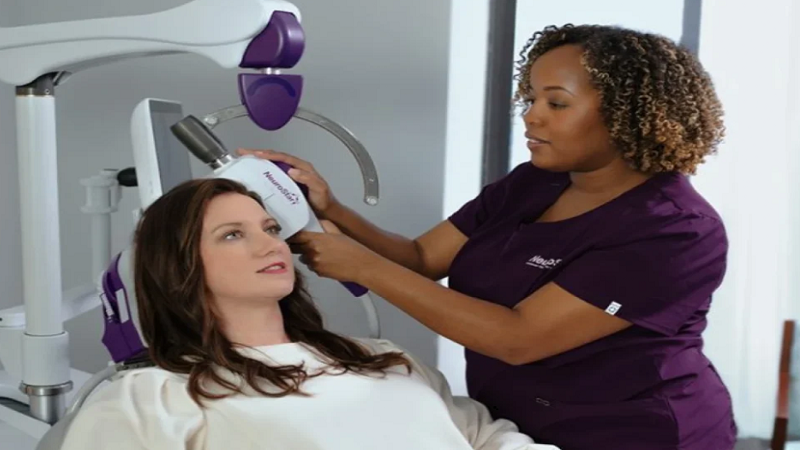
Managing depression is challenging enough without coping with a long list of uncomfortable medication side effects. If prescription antidepressants have left you struggling with sudden weight gain, constant fatigue, memory fog, or emotional numbness, finding a safe alternative becomes essential. At The TMS Center of New Jersey, individuals seeking relief from clinical depression discover advanced treatment options that target brain pathways without affecting the rest of the body. Learning how TMS Therapy Tinton Falls NJ provides effective mood recovery without systemic complications can help you regain control over your mental and physical health.
The High Price of Traditional Antidepressant Side Effects
Oral antidepressant medications travel through your digestive system and bloodstream, distributing active compounds throughout your entire body. While these prescription drugs aim to balance neurotransmitters in your brain, their widespread distribution often causes unwanted reactions in other organ systems. Many people find themselves trading mood symptoms for physical discomfort that lowers their day-to-day quality of life.
Systemic side effects from psychiatric drugs are among the primary reasons people stop taking their prescribed regimens. You might experience persistent gastrointestinal distress, dry mouth, insomnia, sexual dysfunction, or significant weight gain. For many individuals, oral medications also produce a blunted emotional state where feeling genuine joy or enthusiasm becomes difficult. When physical side effects outweigh emotional benefits, seeking targeted non-pharmaceutical options becomes a logical next step.
How TMS Delivers Targeted Relief Without the Common Side Effects of Medication
When you start your care at The TMS Center of New Jersey, transcranial magnetic stimulation approaches mental health from a purely biological and localized perspective. Transcranial magnetic stimulation, widely known as TMS, uses focused magnetic fields to excite nerve cells in the prefrontal cortex. This region of your brain regulates mood and emotional processing, often showing reduced electrical activity during depressive episodes.
Because magnetic pulses target specific frontal brain circuits directly, the treatment does not enter your bloodstream or travel through your digestive tract. This localized mechanism of action ensures that your digestive system, metabolic health, energy levels, and cognitive speed remain completely unaffected. By awakening quiet neurons locally, magnetic stimulation helps your brain build healthier neural pathways naturally while avoiding body-wide complications.
Comparing Systemic Medications to Localized Brain Stimulation
Patients evaluating depression care options frequently compare the physical impact of daily oral pharmaceuticals with non-invasive magnetic stimulation:
- Zero Metabolic Disturbances: Transcranial magnetic stimulation causes no changes in appetite, metabolism, or body weight.
- Memory and Concentration Unaffected: Unlike sedating medications, magnetic stimulation maintains sharp mental focus, memory recall, and daytime alertness.
- No Sexual Side Effects: Localized brain stimulation preserves natural sexual function, eliminating a major complication common to standard antidepressants.
- No Anesthesia or Sedation: The procedure requires no surgical incisions or intravenous sedatives, allowing you to remain fully awake and relaxed.
- Immediate Daily Recovery: Each appointment lasts as little as 19 minutes, after which you can drive home or return to work immediately without downtime.
What to Expect: Understanding Local Scalp Sensations vs. Body-Wide Effects
When clinicians talk about none of the common side effects of medication, it helps to understand what you will actually feel during treatment. While magnetic stimulation avoids internal organ side effects, some patients experience mild, localized sensations near the treatment area on the scalp during early sessions.
During your appointment, a specialized coil rests gently against your head. As magnetic pulses deliver focused stimulation, you will hear a faint clicking sound and feel a tapping sensation on your scalp. Some individuals notice mild scalp tenderness or light headaches after their first few visits. These minor sensations are strictly local, easily managed with over-the-counter pain relievers, and typically disappear after the first week as your scalp adjusts to treatment.
A standard treatment protocol involves daily weekday appointments over about six weeks. Most individuals notice gradual improvements in mood stability, energy, and overall clarity within the first few weeks of continuous care.
Reclaiming Emotional Wellness Without Physical Compromise
You do not have to settle for treatments that force you to trade physical health for mental well-being. Modern psychiatric advances allow you to target the biological roots of depression directly, restoring healthy brain activity without putting your physical comfort on the line.
Taking control of your recovery begins with exploring non-invasive, drug-free care. The dedicated medical team at The TMS Center of New Jersey offers expert guidance, personalized care plans, and comprehensive support to help you achieve lasting emotional stability. Through localized magnetic stimulation, you can break free from depression and live a vibrant, healthy life without systemic medication side effects.
Frequently Asked Questions About TMS Side Effects
Does TMS therapy have any systemic side effects like antidepressant medications?
No. TMS therapy does not enter your bloodstream or digestive system, meaning it does not have the common systemic side effects of medication. You will not experience weight gain, sexual dysfunction, nausea, dry mouth, or daytime sedation during or after your treatment protocol.
What are the most common side effects of TMS therapy?
The most common side effect is temporary scalp discomfort or a mild headache during or immediately following early treatment sessions. These localized sensations are mild, temporary, and usually resolve completely within the first week or two of care.
Does TMS therapy cause memory loss or cognitive changes?
No. Clinical trials of transcranial magnetic stimulation showed no adverse effects on memory or concentration. In fact, many patients report improved mental clarity, sharper focus, and reduced brain fog as their depression symptoms lift.
Is TMS treatment at The TMS Center of New Jersey safe for long-term health?
Yes. TMS therapy is an FDA-cleared, highly researched treatment with a well-established safety profile. Clinical trials demonstrate that long-term health is fully preserved, making it one of the safest medical interventions available for treatment-resistant depression.
To learn more or schedule a consultation, call The TMS Center of New Jersey at (732) 889-5689.