
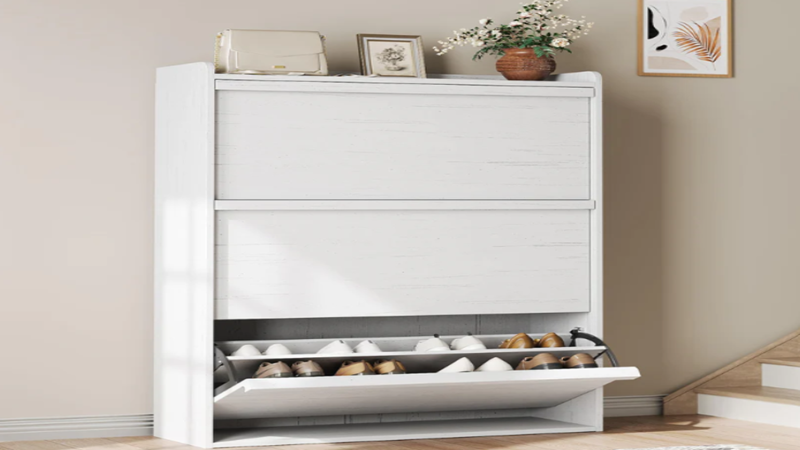
A calm home does not always come from big changes. Sometimes, it starts with small habits repeated every day. One of the best places to begin is the entryway because it is the first area you see when you come home and the last place you pass before leaving. When shoes, bags, keys, mail, and jackets pile up near the door, the whole house can feel messy, even if the rest of the space is clean.
Simple entryway organization can make mornings smoother, evenings more relaxing, and daily routines easier to manage. With a few thoughtful storage solutions and realistic habits, your entryway can become a useful transition zone instead of a cluttered drop-off spot. Whether you live in a large family home or a compact apartment, small improvements can support better household organization and a more peaceful lifestyle.
Why Small Organization Habits Matter
Most people think home decluttering requires a full weekend, dozens of storage boxes, and a complete lifestyle change. In reality, the most effective changes are often the smallest. A basket by the door, a hook for keys, or a simple rule about putting shoes away can make daily life feel less rushed.
Small habits work because they are easy to repeat. When an organization system is too complicated, people stop using it. But when everything has a clear and convenient place, organized living becomes much easier.
For example, if your family often leaves shoes near the door, the solution is not to constantly remind everyone to clean up. A better solution is to create a shoe storage area that is easy to access. A practical Shoe Organizer can help keep footwear in one place while making the entryway look cleaner and more intentional.
The goal is not perfection. The goal is to reduce small daily frustrations before they turn into bigger messes.
Start With the Entryway
The entryway is one of the hardest-working areas in the home. It handles shoes, coats, umbrellas, bags, sports gear, pet supplies, packages, and sometimes even school items. Because it is used so often, it can become messy quickly.
Good entryway organization starts with understanding what actually happens in that space. Look at your entryway on a normal weekday. What gets dropped there? What do you search for before leaving? What items never seem to make it to their proper place?
Once you notice these patterns, you can build simple systems around them.
Useful entryway zones may include:
- A shoe area near the door
- Hooks for coats, bags, and hats
- A small tray for keys and wallets
- A basket for mail or reusable shopping bags
- A spot for umbrellas or outdoor accessories
These small zones make household organization feel natural. Instead of forcing people to walk across the house to put things away, the system works with real-life movement.
Use Storage Solutions That Fit Real Life
Storage solutions only work when they match your habits. A beautiful cabinet may look nice, but if it is hard to open or too far from the door, shoes and bags will still end up on the floor. The best storage is simple, visible, and easy to use.
For busy families, open shelves or tiered shoe racks can be more practical than closed storage. For small apartments, vertical storage can help save floor space. For homes with children, lower hooks and baskets make it easier for kids to take responsibility for their own things.
A well-placed Shoe Organizer can be especially helpful in homes where footwear collects near the entrance. It creates a clear place for shoes without making the area feel crowded.
When choosing storage, ask yourself:
- Can everyone in the home use it easily?
- Does it fit the available space?
- Does it make cleanup faster?
- Is it simple enough to maintain every day?
The right answer is not always the most expensive option. Often, the best storage solutions are the ones your household will actually use.
Build Better Daily Routines Around Clutter
Daily routines shape how your home feels. If everyone comes home and drops items wherever they land, clutter builds up quickly. But if there is a simple routine for entering and leaving the house, the space stays cleaner with less effort.
A useful routine might look like this:
- Shoes go directly into the shoe area.
- Keys and wallets go into a tray.
- Jackets go on hooks.
- Mail goes into one basket.
- Bags are emptied or placed in a specific spot.
This routine takes less than two minutes, but it can prevent a lot of stress later. It also makes mornings easier because important items are where they should be.
Home decluttering becomes less overwhelming when it is handled in small moments. Instead of waiting until the entryway becomes messy, you create habits that stop clutter before it spreads.
Small Space Organization Tips for Entryways
Not every home has a large foyer or mudroom. Many people live with narrow hallways, small apartments, shared entrances, or limited storage. That is where small space organization becomes especially important.
The key is to use the space vertically and avoid keeping too many items near the door. If your entryway is small, every item should earn its place.
Try these small space organization ideas:
Use wall hooks:
Hooks keep bags, jackets, and hats off the floor without taking up extra space.
Choose slim storage:
Narrow shelves, compact racks, or wall-mounted units can provide storage without blocking movement.
Limit shoes by season:
Keep only the shoes you wear regularly near the door. Store out-of-season footwear elsewhere.
Use baskets wisely:
One basket for each family member can make quick cleanup easier.
Keep surfaces clear:
Small tables can become clutter magnets. Use trays to control what lands there.
Small homes can still support organized living when every space has a purpose. The goal is not to add more storage everywhere, but to make better use of the space you already have.
Make Home Decluttering a Gentle Habit
Home decluttering does not have to feel like a major project. A simple five-minute reset can make a noticeable difference. At the end of the day, take a few minutes to return items to their places, remove anything that does not belong, and prepare the entryway for the next morning.
This small habit is especially useful for families. Children learn from repeated routines, and adults feel less pressure when cleanup is built into the day rather than saved for the weekend.
You can also use a weekly check-in. Once a week, look at the entryway and ask:
- Are there too many shoes here?
- Is any mail or paperwork piling up?
- Are bags, jackets, or accessories out of place?
- Does this area still support our daily routines?
This approach keeps household organization realistic and flexible. Life changes, schedules shift, and storage needs evolve. A simple weekly review helps your system stay useful.
Create an Entryway That Supports Organized Living
Organized living is not about having a perfect home. It is about creating spaces that make everyday tasks easier. Your entryway should help you leave the house with less stress and return home to a calmer environment.
Think about how you want the space to feel. Do you want it to feel clean and minimal? Warm and welcoming? Practical and family-friendly? Once you know the purpose, it becomes easier to choose the right storage solutions and habits.
A good entryway should answer three simple questions:
- Where do things go when we come home?
- Where do we find what we need before leaving?
- How can we keep this area easy to maintain?
When those answers are clear, the space becomes more functional. You spend less time searching for shoes, keys, bags, or jackets. You also reduce the visual clutter that can make a home feel busier than it really is.
Household Organization Works Best When It Feels Natural
One mistake people often make with household organization is creating systems that look good but do not match real behavior. A perfectly styled entryway may look nice in photos, but if it does not handle everyday life, it will not stay organized.
A better approach is to design around the way your family actually lives. If shoes always land by the door, give them a proper place there. If mail piles up on a table, add a mail basket. If children drop backpacks in the hallway, install hooks at their height.
The easier a system is to use, the more likely it is to last. That is the foundation of organized living: simple systems, repeated daily, with enough flexibility for real life.
FAQ
1. How can I start entryway organization without buying too much?
Begin by removing items that do not belong near the door. Then add only the storage solutions you truly need, such as hooks, a tray, or a shoe rack.
2. What is the easiest way to manage shoes near the entrance?
Keep only daily-use footwear near the door and store extra pairs elsewhere. A Shoe Organizer can help keep shoes visible, tidy, and easy to access.
3. How often should I do home decluttering in the entryway?
A quick daily reset and a weekly review usually work well. This keeps clutter from building up and supports better daily routines.
4. What are the best small space organization ideas for a narrow entryway?
Use vertical storage, slim shelves, wall hooks, and baskets. These ideas help you organize essentials without using too much floor space.
5. Why is household organization important for busy families?
Household organization saves time, reduces stress, and makes everyday routines easier. When items have clear places, everyone can help keep the home tidy.
Conclusion
Small organization habits can make a big difference in everyday life, especially when they begin at the entryway. This busy area sets the tone for the rest of the home, so keeping it neat can make mornings easier and evenings calmer. With simple entryway organization, practical storage solutions, and realistic daily routines, you can reduce clutter without feeling overwhelmed.
Home decluttering does not need to be complicated. A few hooks, baskets, trays, or a shoe storage system can support better household organization and create a more welcoming space. Whether you are working with a large entry area or focused on small space organization, the goal is the same: make daily life smoother, simpler, and easier to manage. Over time, these small habits help create a home that feels more peaceful, functional, and truly livable.